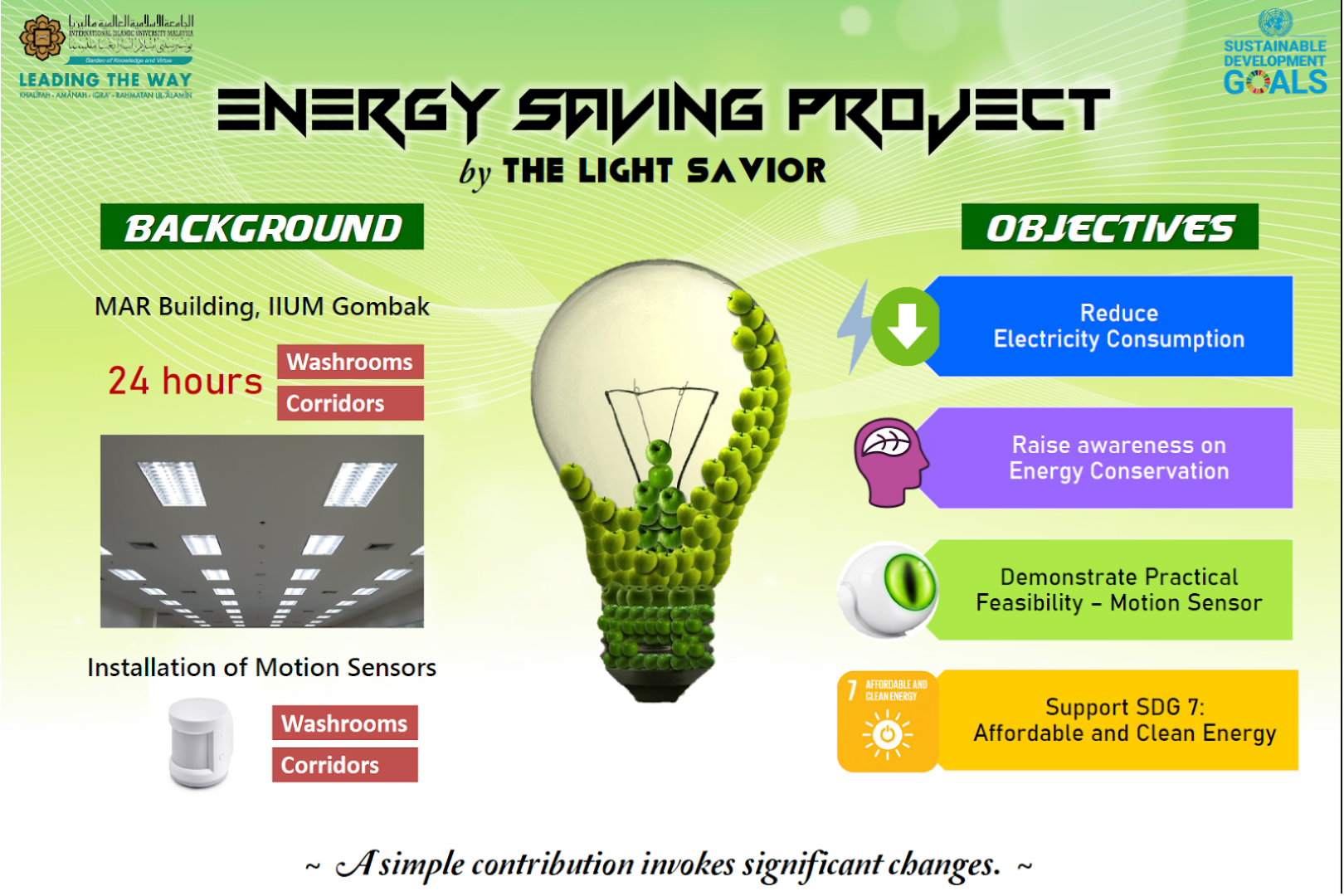
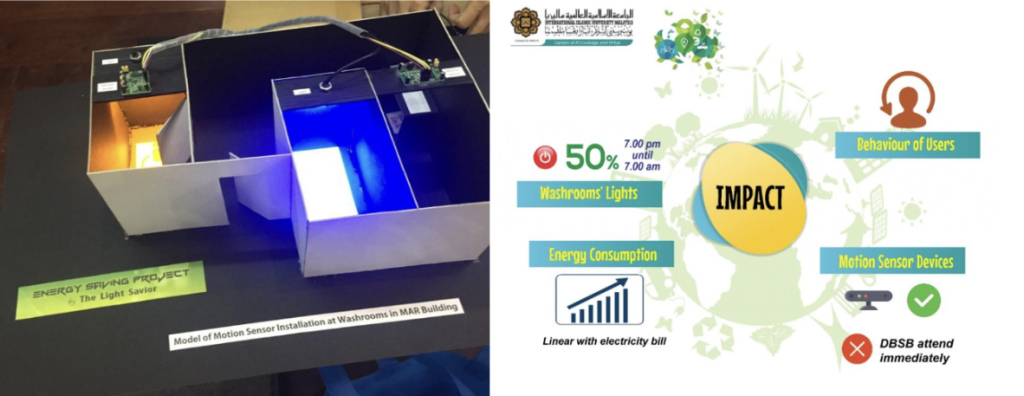
The International Islamic University Malaysia (IIUM) is dedicated to transforming its campuses into models of energy efficiency and sustainability. Through the implementation of advanced technologies and comprehensive energy-saving measures, IIUM has upgraded its facilities with high-efficiency chillers, power quality devices, and LED lighting systems across the Gombak and Kuantan campuses. The University also integrates renewable energy solutions, including solar lighting installations at the Pusat Pemulihan Dalam Komuniti (PDK), while promoting responsible energy practices through initiatives such as motion-sensor lighting and electricity-saving campaigns. These efforts have significantly reduced energy consumption, operational costs, and the University’s overall carbon footprint. By aligning with Malaysia’s Renewable Energy Roadmap and the global pursuit of SDG 7 (Affordable and Clean Energy), IIUM continues to strengthen its leadership in fostering eco-conscious, future-ready educational environments guided by the principles of Sejahtera and Islamic values.
The IIUM has implemented numerous energy efficiency/savings measures at its campuses and have managed to result in savings with an average of up to 22%. The university strived to be as energy efficient as possible and together with its collaborators have managed to improve its savings by replacing the chiller plant with highly efficient chillers, pump and cooling towers with variable speed drives. IIUM also worked on other areas such as the main incoming building supply, small/ split unit AC systems, LED lighting and also a chiller optimization system (ICEE).
The following are the key energy conservation initiatives carried out by the appointed collaborators at IIUM campuses:
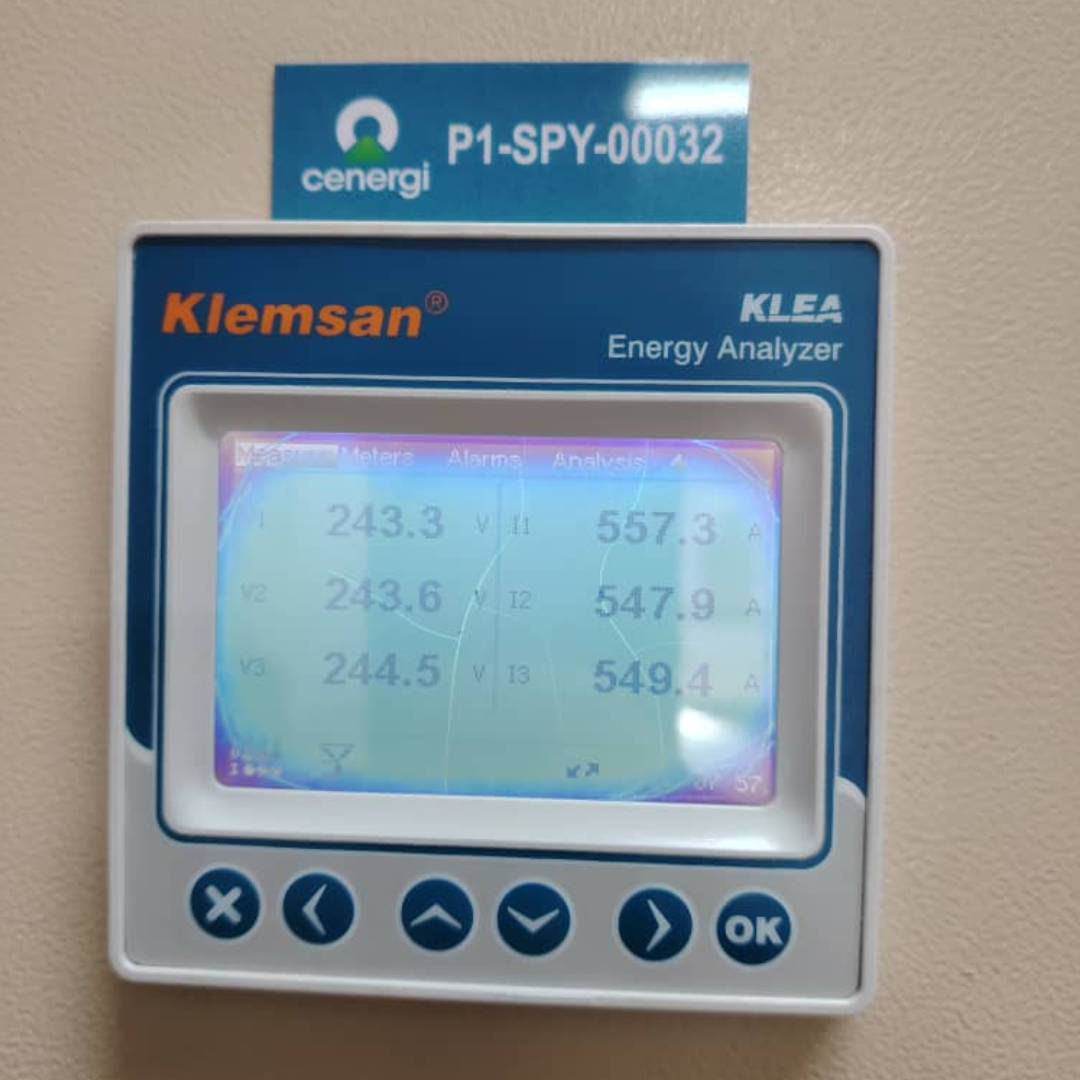
Energy Management System (EMS) meter installed at all buildings
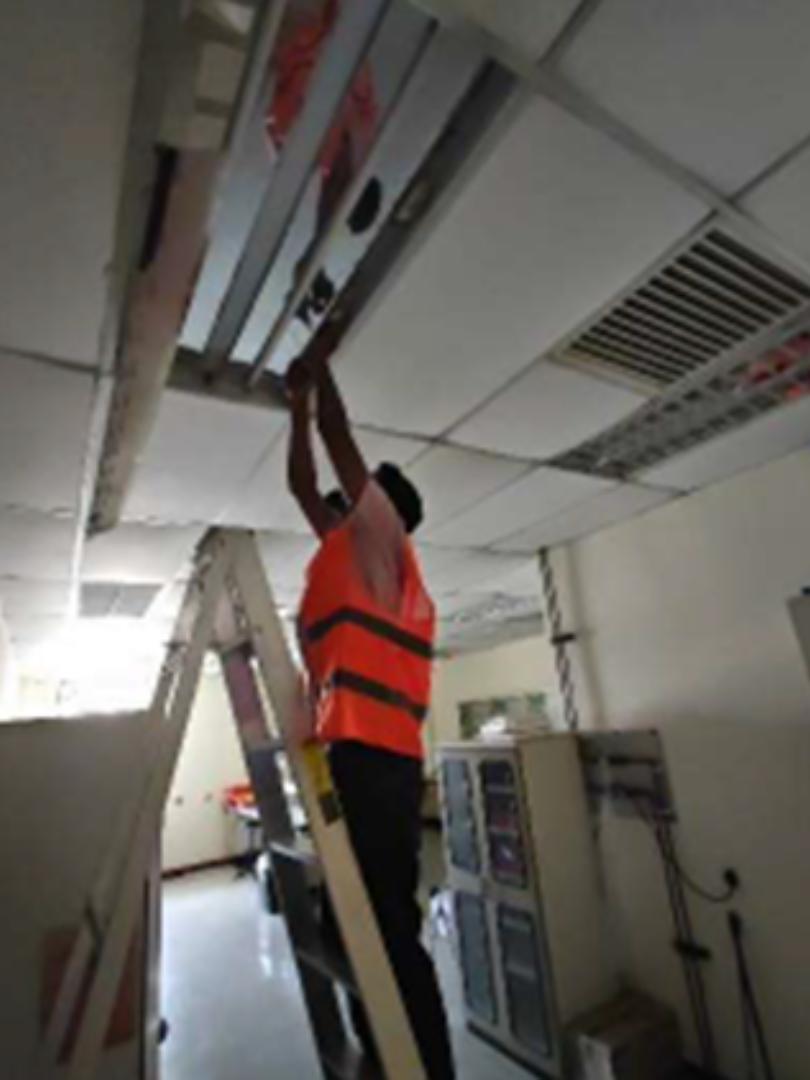
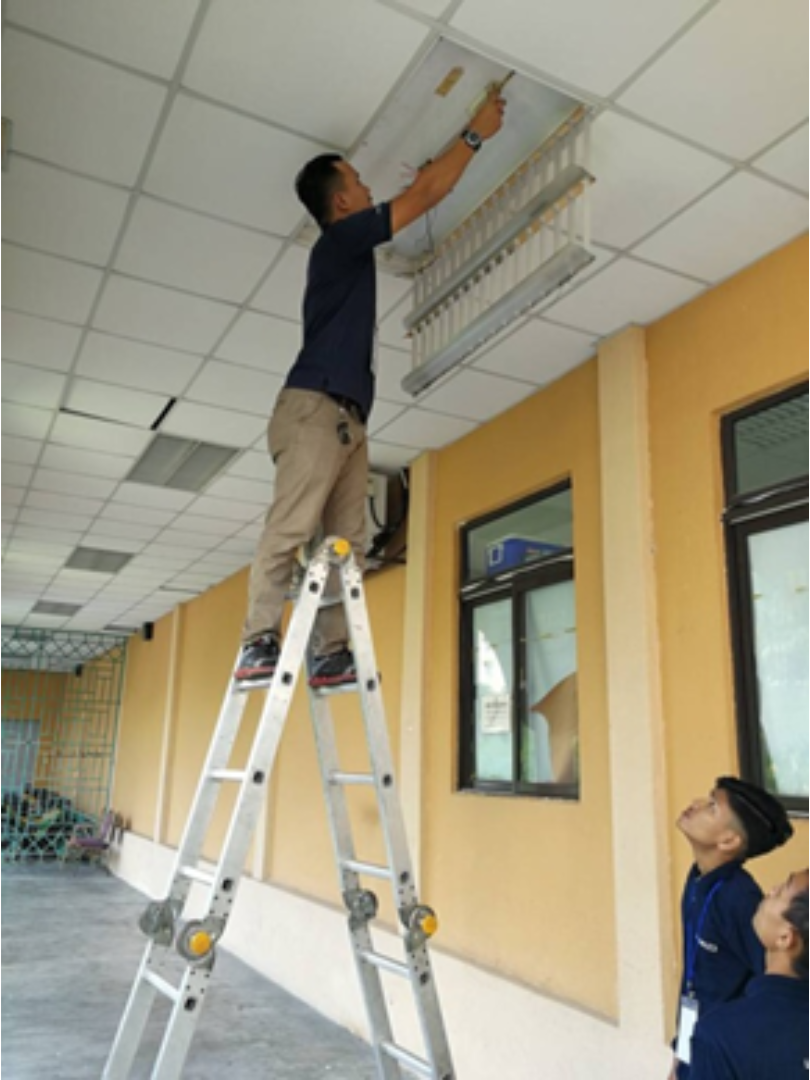
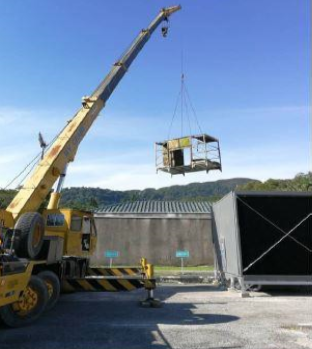
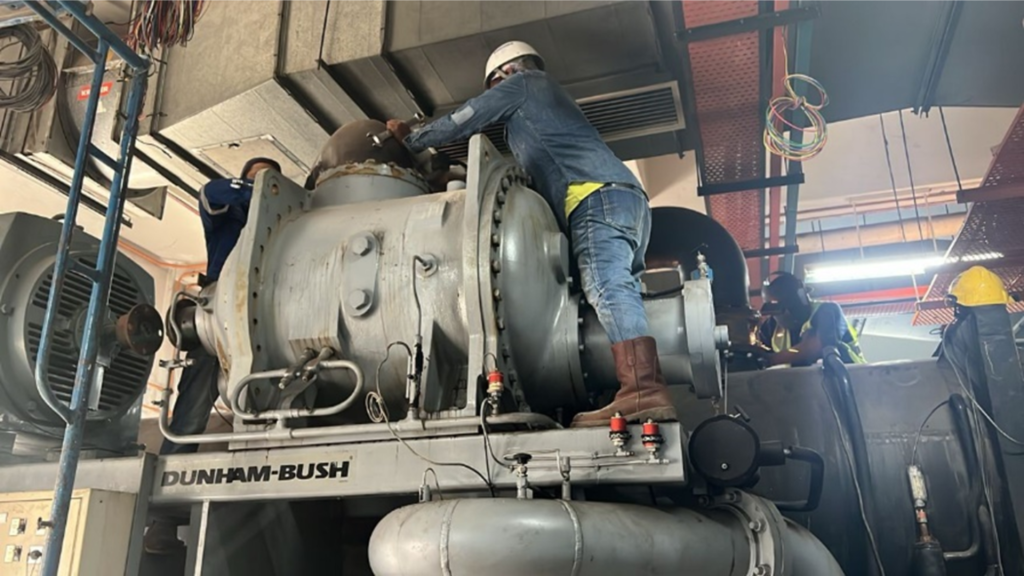
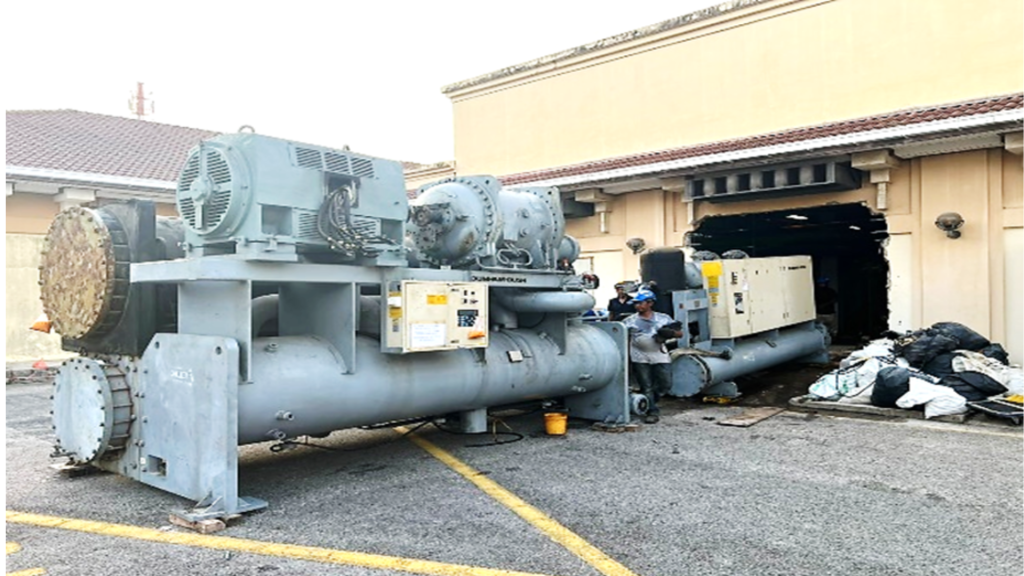
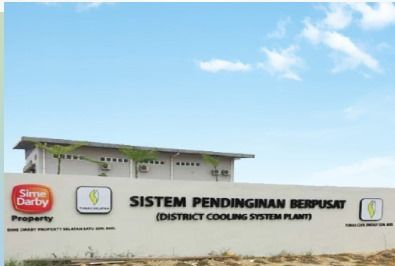
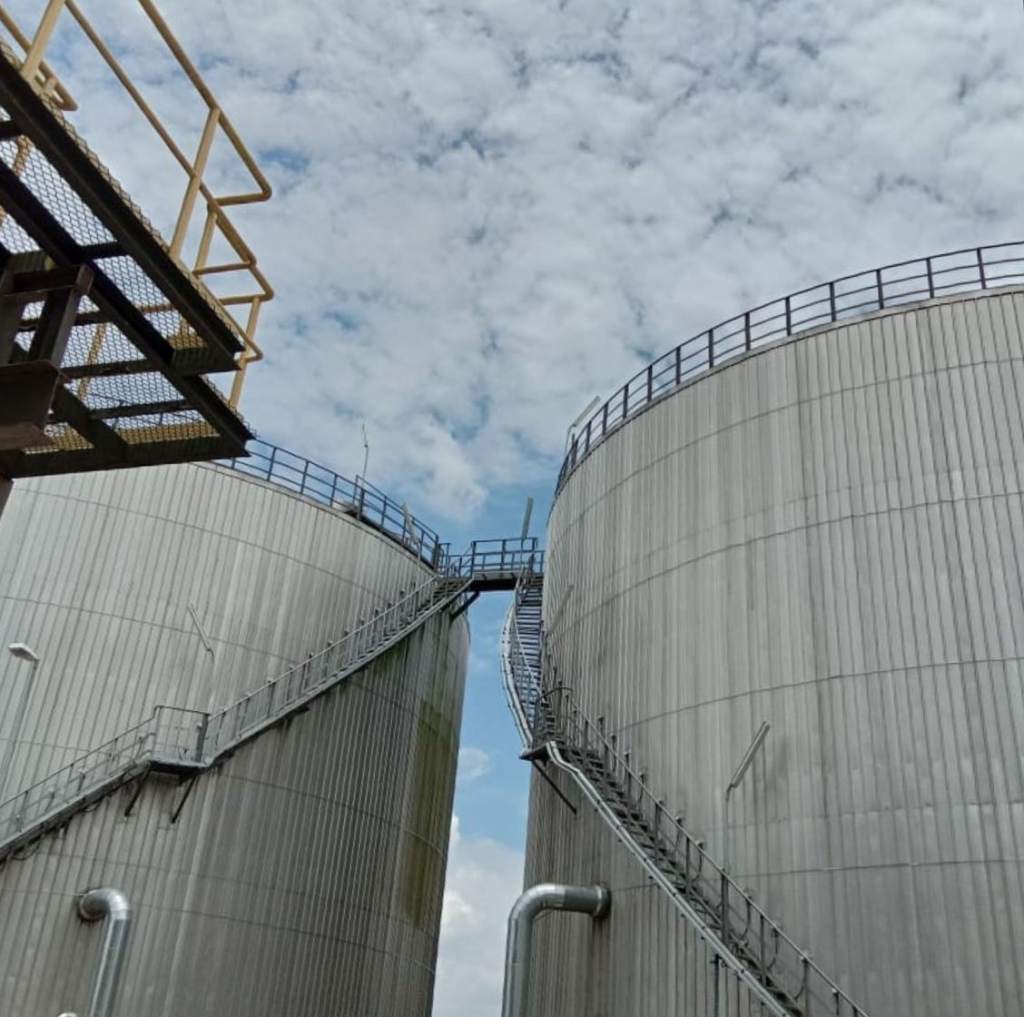
These are other initiatives that have been launched in the IIUM to ensure there is sustainable impact not only on energy but the environment itself:
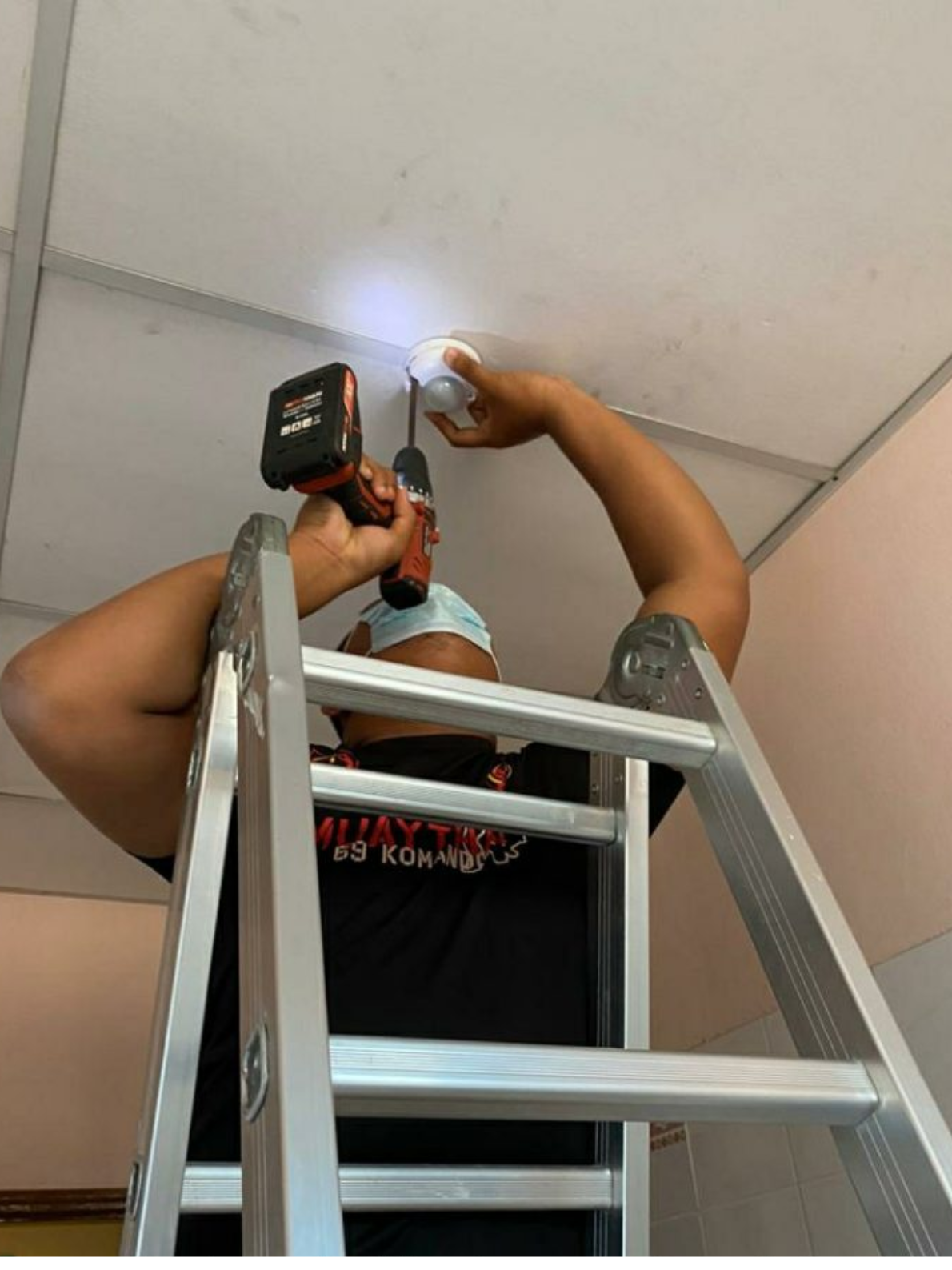
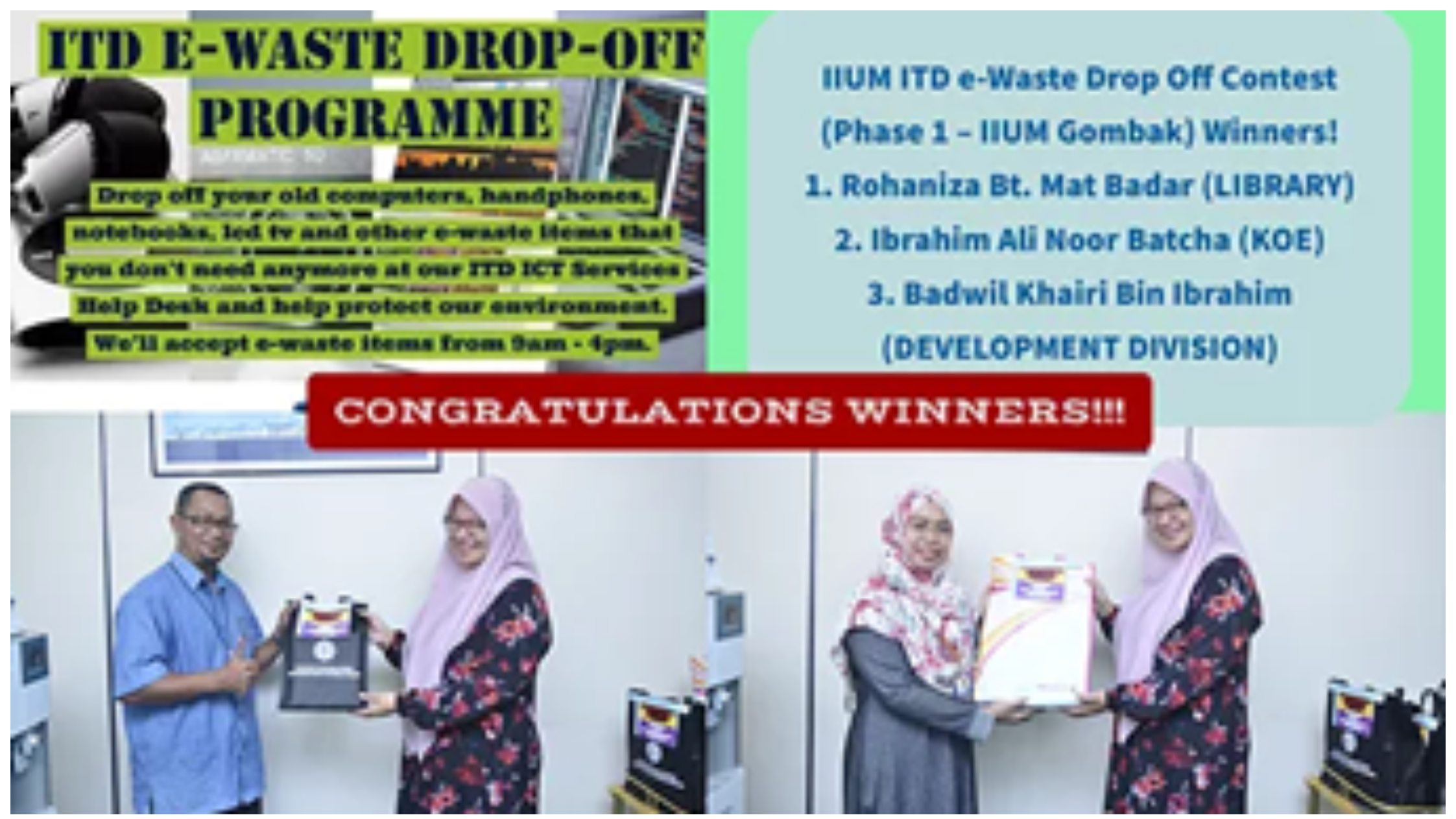
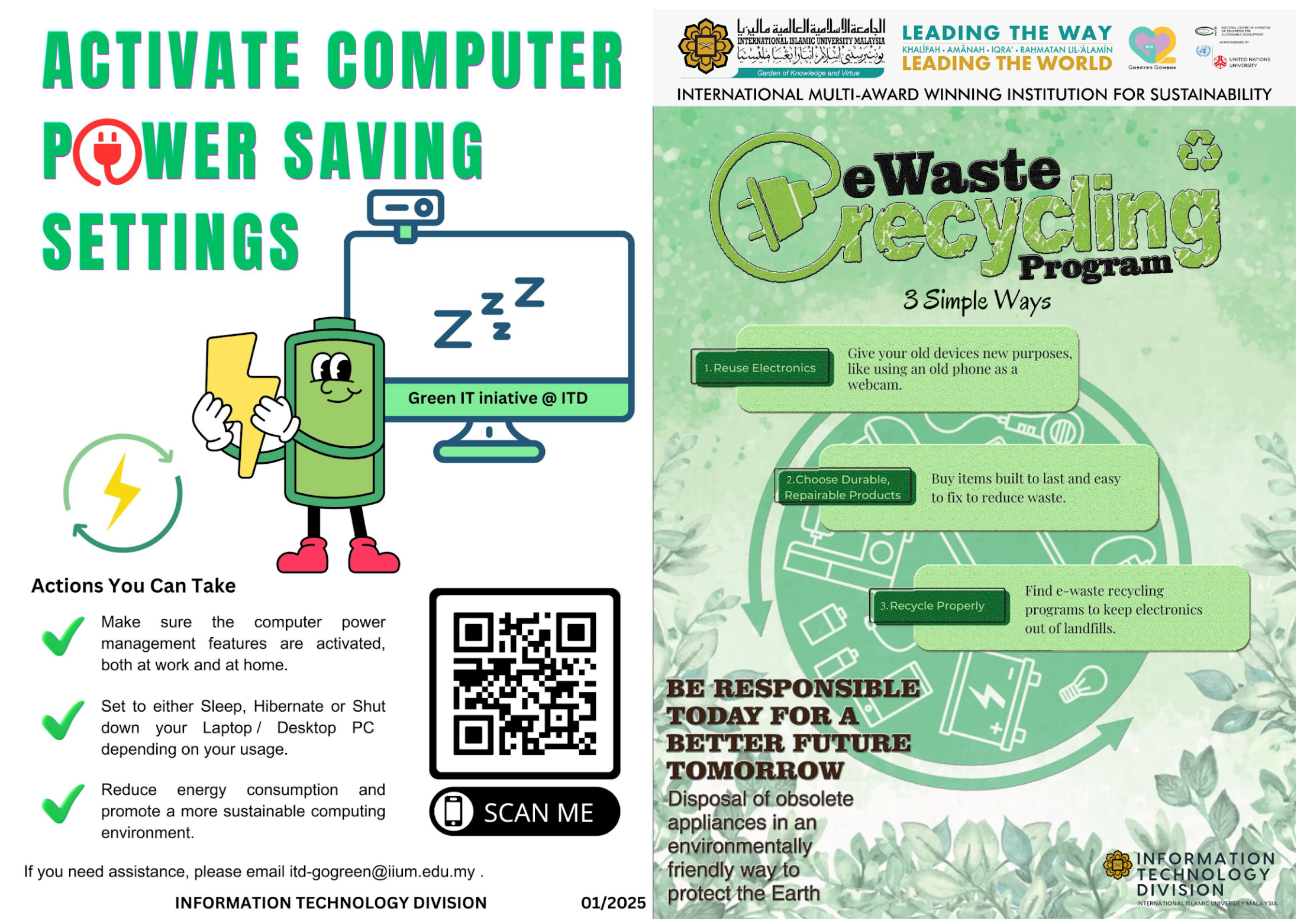
Through the Energy Savings Performance Agreement (ESPA), IIUM has implemented a systematic building-upgrade programme that replaces outdated mechanical and electrical systems with optimized, energy-efficient alternatives. The retrofitting of more than 40 000 T8 LED lights, installation of power-quality devices, and deployment of intelligent chiller-control systems have produced verified energy savings of 14.5 million kWh annually equivalent to a 22.6 % reduction in total electricity consumption. This approach demonstrates IIUM’s long-term plan to continuously raise efficiency standards across all campuses without requiring upfront capital investment from the University.
The University’s comprehensive Energy Efficiency and Saving Plan outlines both technological and behavioral strategies to minimize overall consumption. Technical measures include intelligent air-conditioning controls, optimized chiller sequencing, and continuous sub-metering for water and electricity systems. Operationally, IIUM enforces seasonal electricity-cost-saving initiatives such as centralized air-conditioning shutdowns during festive periods and conducts awareness campaigns to promote responsible usage among staff and students. These coordinated actions reinforce a culture of energy stewardship across the institution.
Regular energy audits and performance-verification reviews are integral to IIUM’s efficiency framework. Through the appointed energy efficiency company’s monitoring tools and on-site technical teams, areas of highest wastage are identified and corrective maintenance is promptly implemented. The inclusion of permanent measuring instruments such as temperature sensors, flow meters, and digital power meters linked to the Building Automation System (BAS) ensures that all systems operate within optimal efficiency ranges. This data-driven management enables continuous improvement and sustains long-term savings.
The University is also implementing campus-wide solar photovoltaic (PV) projects at its Gombak and Kuantan campuses under the Net-Energy-Metering (NEM3.0) scheme. Both projects utilize rooftop and existing car park structures to generate renewable energy, with zero-capex to the University. Under NEM3.0, solar energy generated by the PV systems can be exported to the national grid with excess energy credited against consumption at predetermined rates, optimizing cost savings and enhancing energy efficiency which will further optimize energy savings and reduce electricity costs. These initiatives align with IIUM’s sustainability goals, promoting energy efficiency and carbon reduction across its campuses.
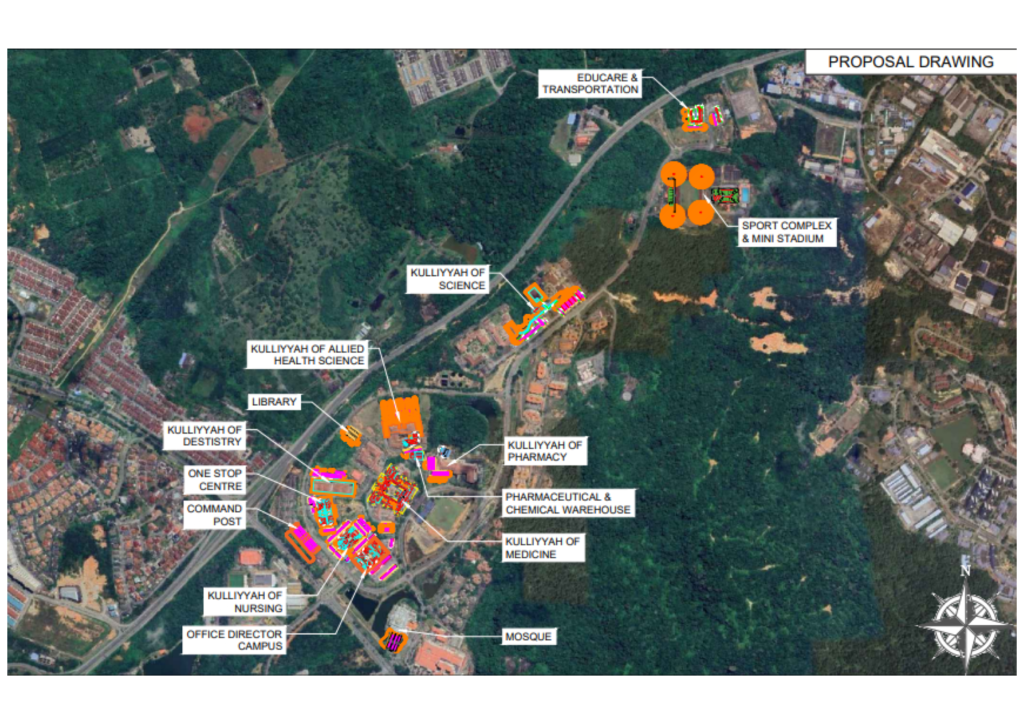
At present, a total of 5MWp solar panels are being installed on the buildings and car park rooftops at Kuantan Campus, involving 14 locations. From this project, between 8% to 15% reduction is expected in the electricity Maximum Demand charges. The project completion is targeted for mid-2026.
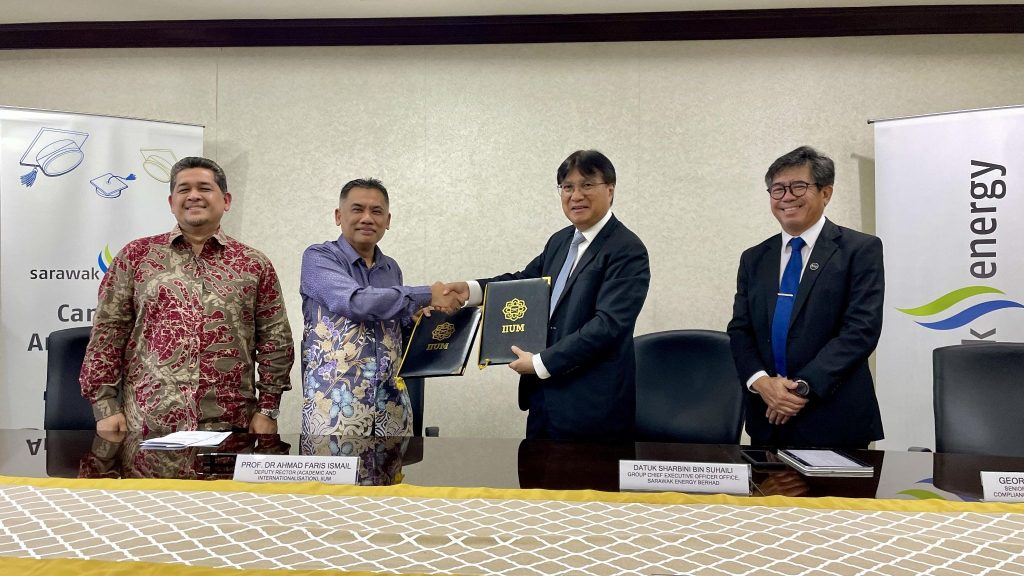
In 2024, the International Islamic University Malaysia (IIUM) signed a Memorandum of Understanding with Sarawak Energy Berhad to promote collaboration in renewable and sustainable energy. Through this partnership, IIUM aims to extend its efforts to the local community by organising awareness programmes on energy efficiency and clean energy. These initiatives help educate communities about reducing energy consumption, adopting sustainable practices, and understanding the benefits of renewable energy, supporting Malaysia’s transition towards a greener and more energy-efficient future.