NURTURING UMMATIC EXCELLENCE THROUGH SDG 6

CLEAN WATER AND SANITATION

IIUM advances clean water and sanitation through a strategy that links responsible research and innovation, whole community engagement, campus wellness, a sustainable ecosystem, and knowledge connectivity as highlighted in its mission and strategy

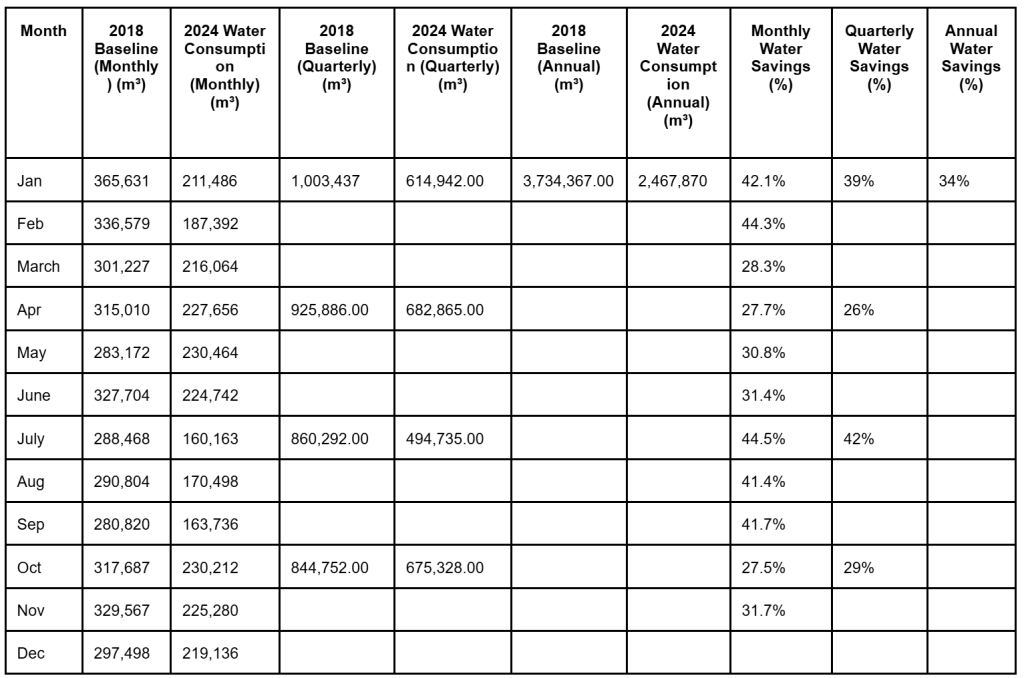
WATER CONSUMPTION AT IIUM (2024)

Source: IIUM development Division

The data shows that IIUM Gombak achieved an overall 34% reduction in water consumption in 2024 compared to the 2018 baseline. Quarterly analysis indicates steady progress across all periods, with Q3 recording the highest water savings at 42%, followed by Q1 at 39%, Q4 at 29%, and Q2 at 26%. The most significant month-on-month reduction occurred in February (44.3%) and July (44.5%), reflecting effective conservation measures during these periods.

These results suggest that IIUM’s water efficiency initiatives, such as systematic monitoring, improved maintenance, and awareness among campus users, are producing tangible outcomes. The consistent year-round savings highlight a culture of responsible resource management and align with the university’s commitment to sustainability under the Whole Institution Transformation (WIT) framework and Maqasid Shariah based environmental stewardship.

WASTEWATER TREATMENT AT IIUM

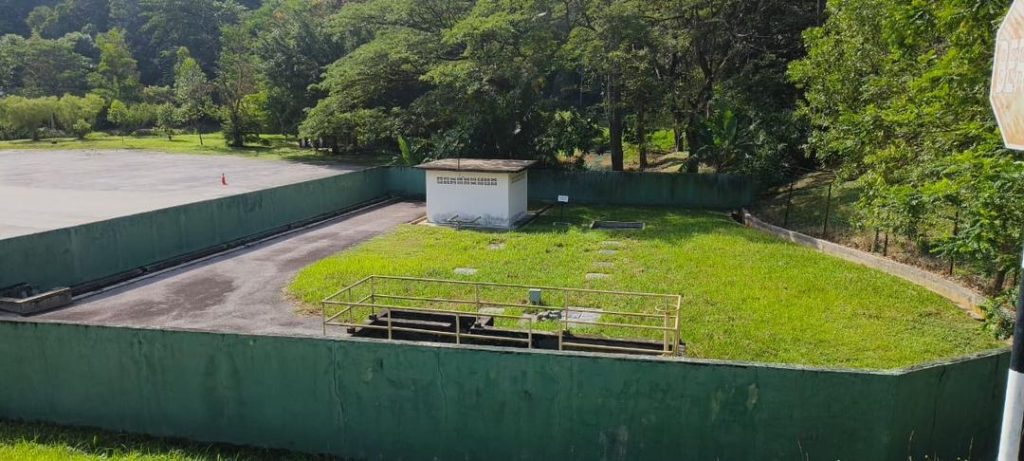
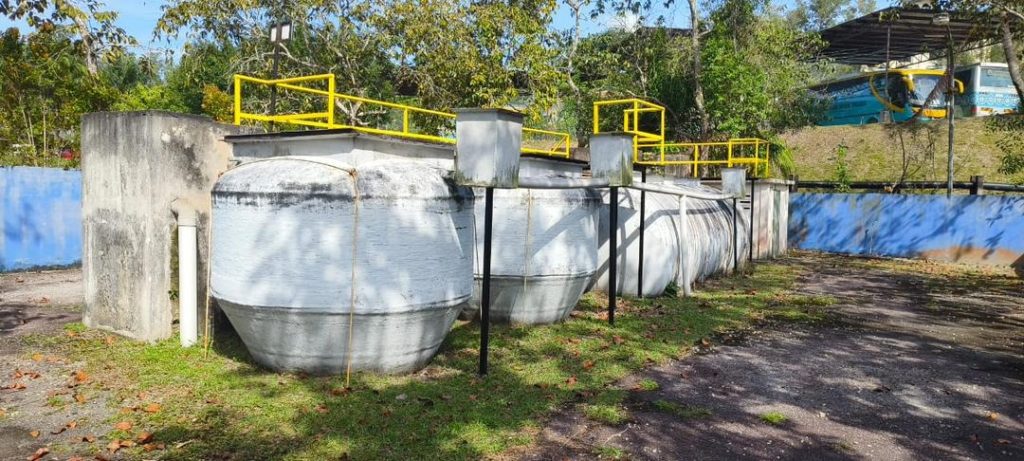
IIUM ensures that all wastewater generated on campus undergoes proper treatment before discharge. The university operates through structured processes that separate, collect, and channel wastewater to treatment systems approved by local authorities. This effort helps reduce environmental pollution, protects nearby water bodies, and supports compliance with national water quality standards. IIUM’s approach reflects its commitment to environmental responsibility and sustainable campus operations under the Sejahtera and Maqasid Shariah principles.

Source: IIUM Development Division

PREVENTING WATER SYSTEM POLLUTION IN IIUM

Source: IIUM Development Division

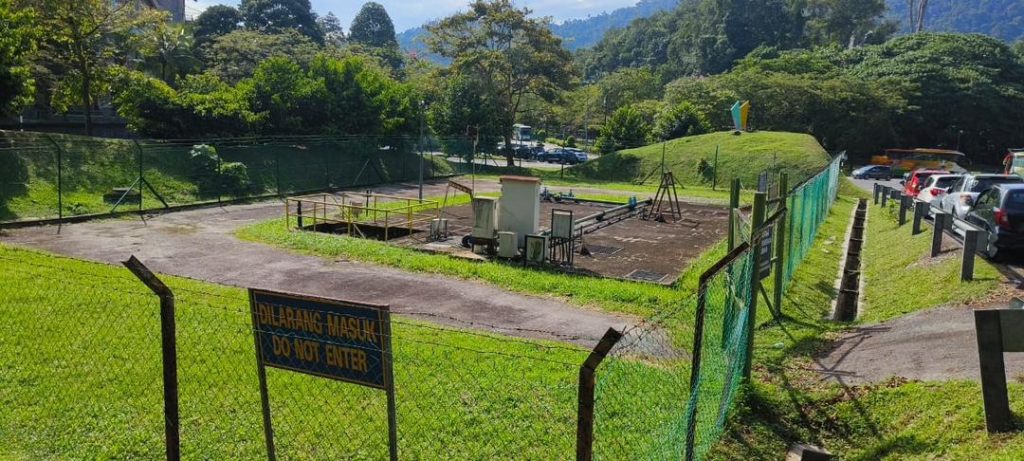
IIUM implements preventive measures to stop contaminated water from entering natural waterways and drainage systems. Regular maintenance, spill control protocols, and strict waste disposal procedures ensure that chemicals, laboratory waste, and run-off from campus activities do not harm the environment. These processes reflect IIUM’s continuous effort to protect public health, preserve aquatic ecosystems, and uphold its responsibility as a Sejahtera and Maqasid Shariah-driven institution.

FREE DRINKING WATER IN IIUM

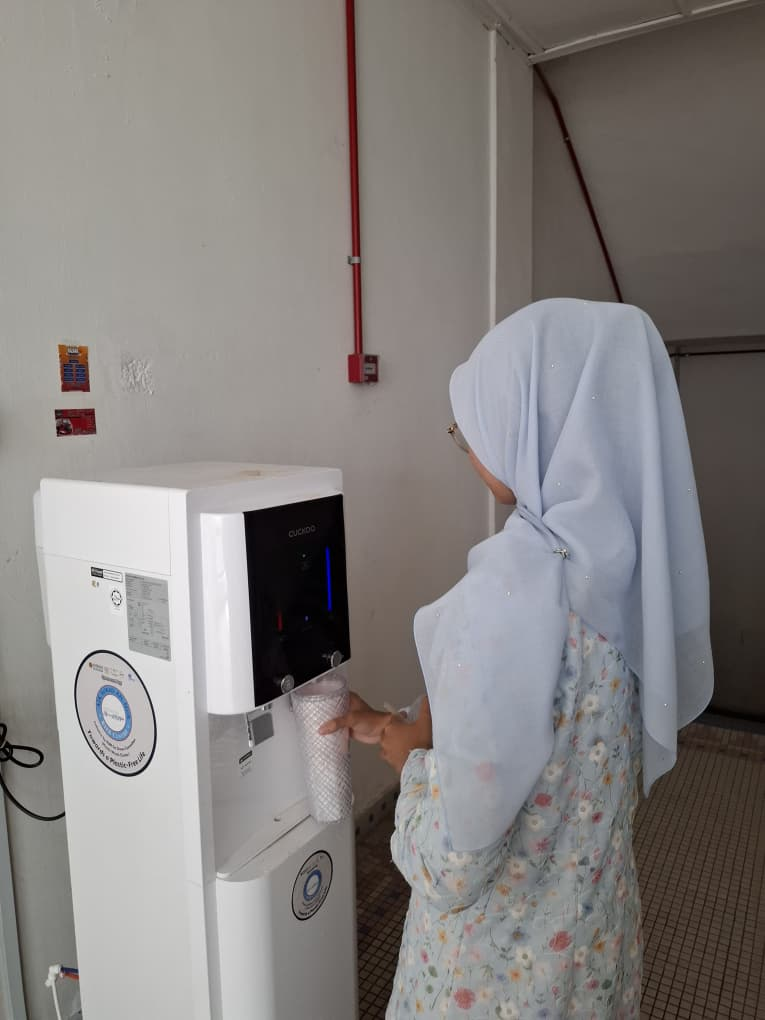
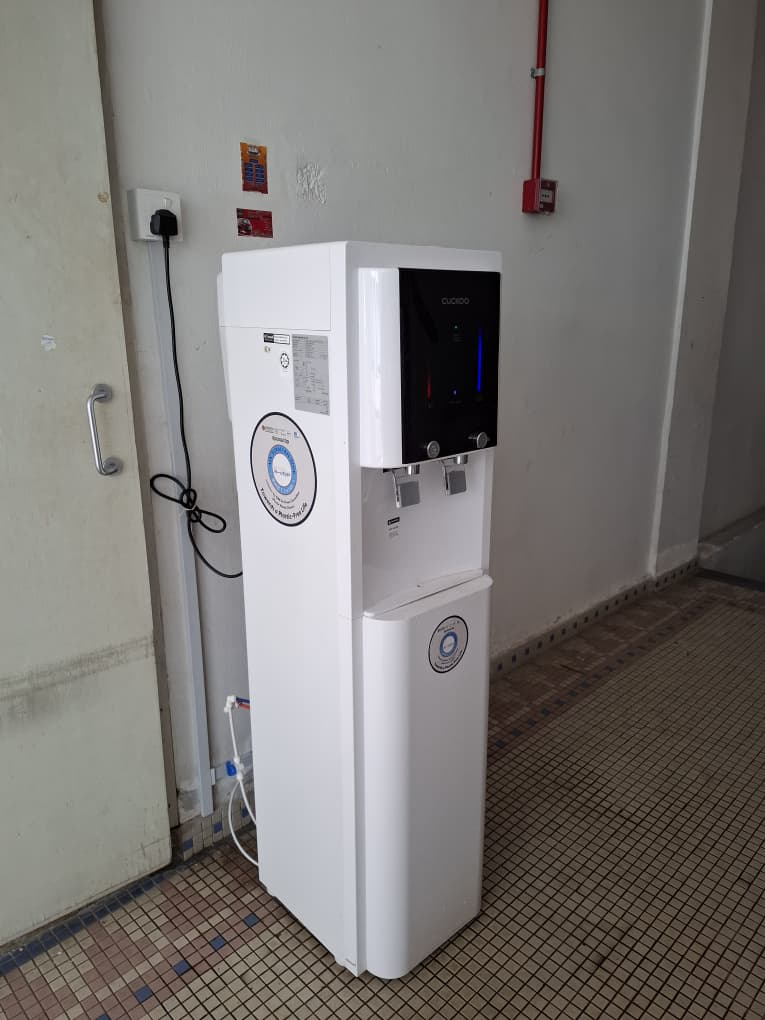
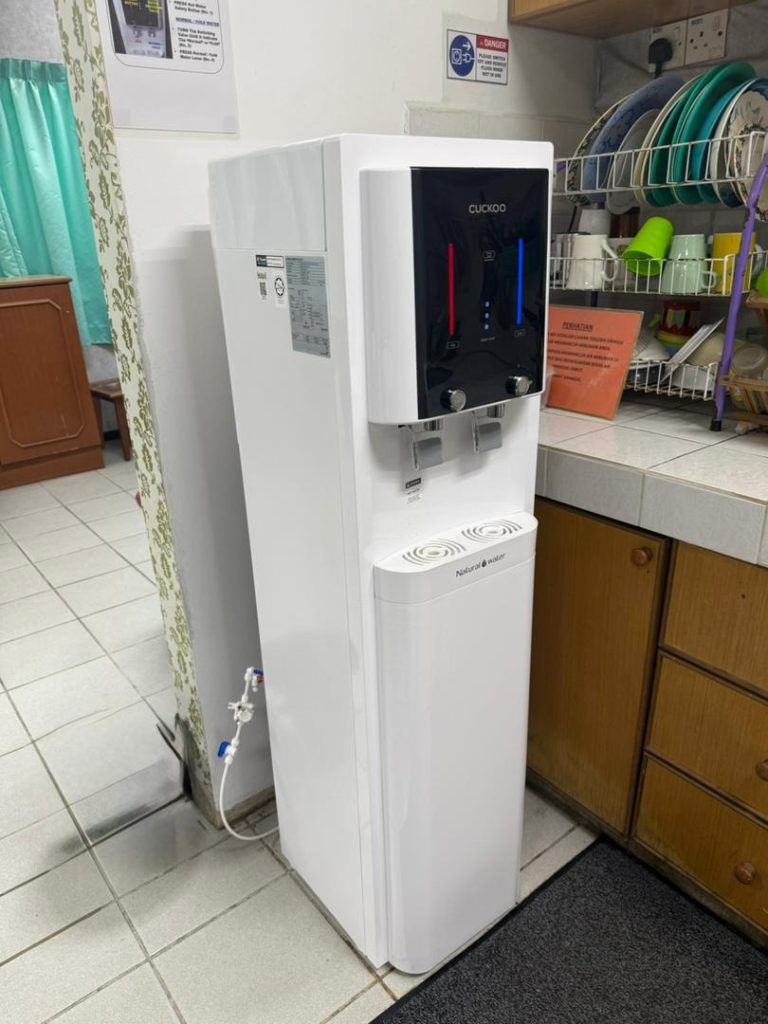
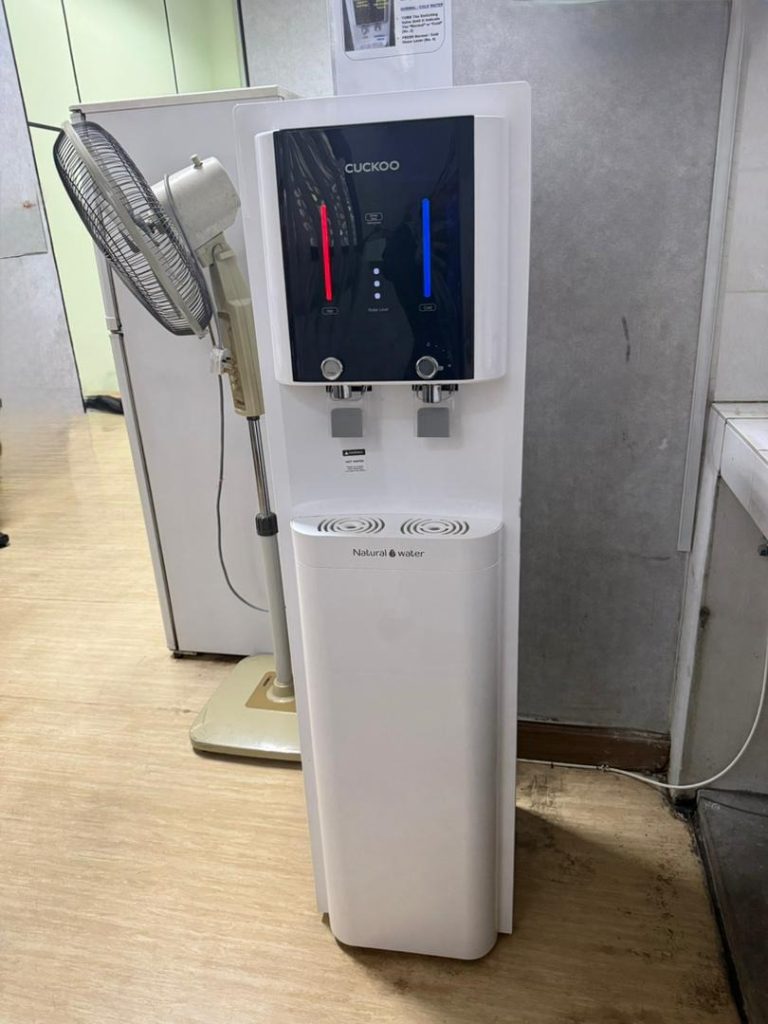
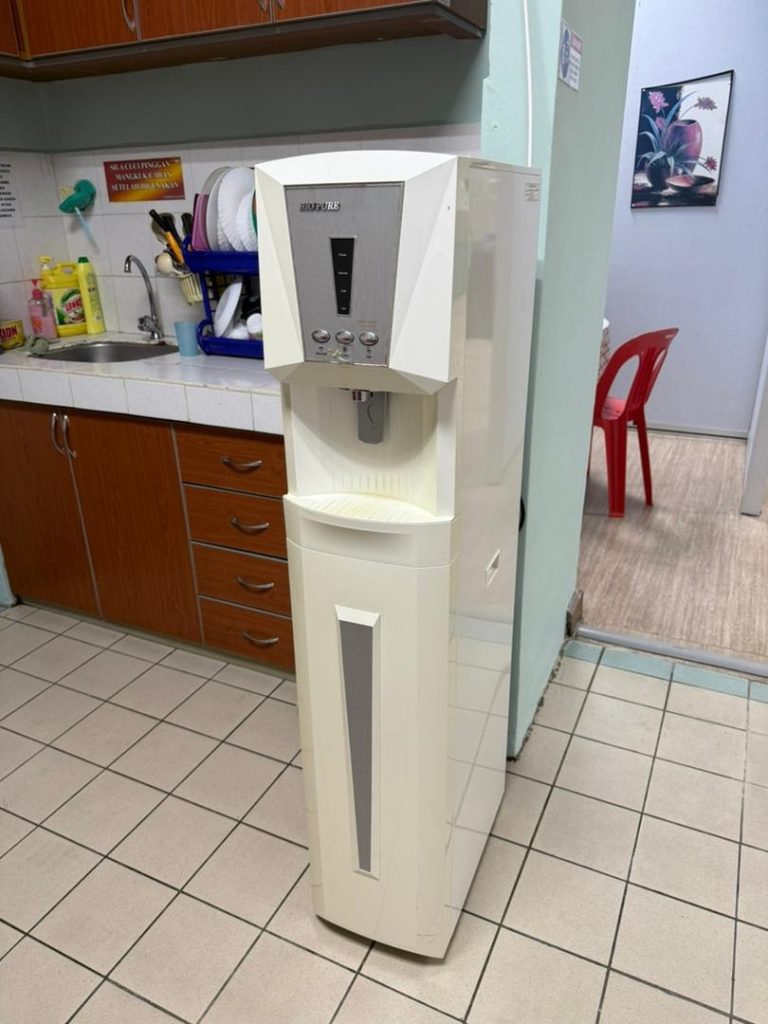
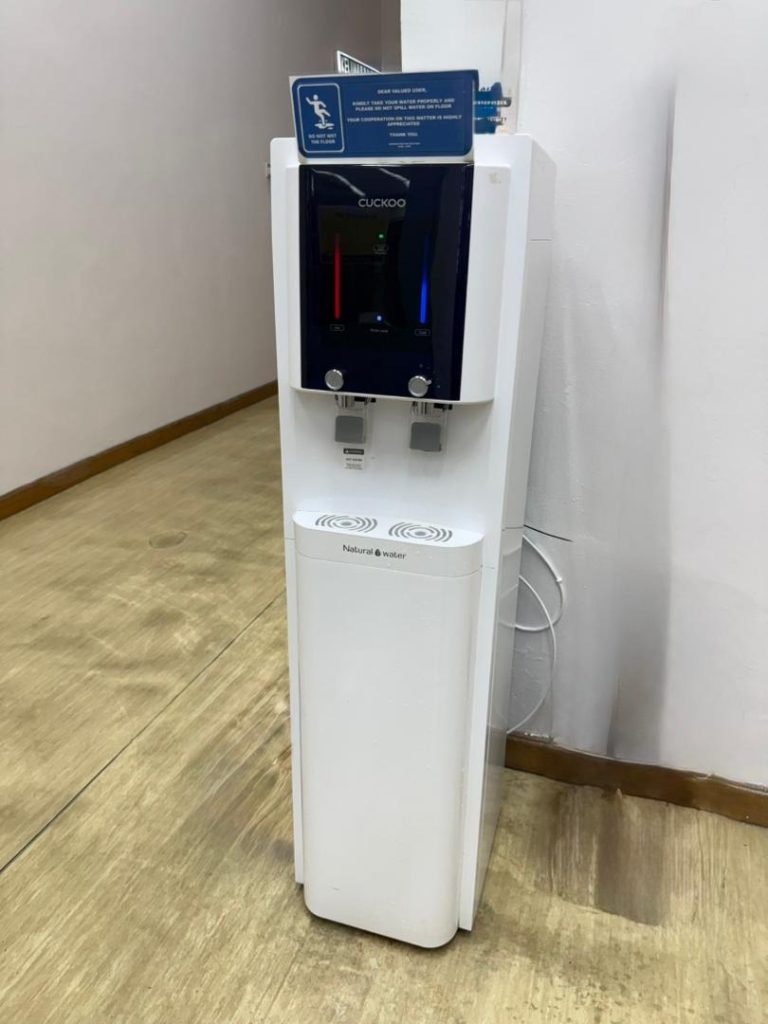
IIUM provides free and safe drinking water across all campuses through water dispenser machines from brands such as Coway, Cuckoo, and other approved suppliers. These machines are installed in student areas, offices, and common spaces to ensure convenient access for students, staff, and visitors. The initiative encourages healthy hydration, reduces plastic waste, and reflects IIUM’s commitment to sustainable living guided by Sejahtera values and Maqasid Shariah principles.

The map of the water dispensers available in IIUM are as follows:


Water dispensers in various places in the university, available for free for public consumption

Source: LIBRARY AND CENSERVE IIUM

WATER-CONSCIOUS BUILDING STANDARDS

IIUM integrates water-conscious practices into its campus planning and infrastructure development through policies and demonstration projects that reduce water use and encourage sustainable design.

The Development Division’s Community Garden Guidelines outline practical standards for minimising water use in landscaping and building maintenance. These guidelines promote the use of non-potable water such as harvested rainwater for irrigation instead of relying on treated water. They also regulate the installation of new pipe connections and encourage water-efficient irrigation systems. By prioritising water recycling, careful planning of vegetation, and efficient watering schedules, IIUM ensures that outdoor facilities and gardens operate with minimal water waste. These measures represent a structured approach to integrating water efficiency into campus-level building and maintenance standards.

This reflects IIUM’s proactive approach to sustainable campus development. The integration of water-efficient systems, green infrastructure, and sustainable landscaping standards reinforces the university’s mission to humanise education through responsible stewardship of natural resources, in line with Sejahtera values and the Maqasid Shariah objectives of preserving life and the environment.

WATER-CONSCIOUS PLANTING IN IIUM

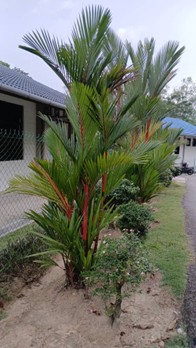
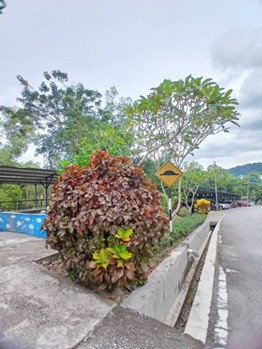
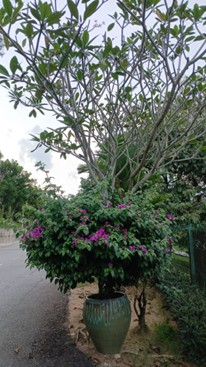
IIUM practices water-conscious landscaping across its campuses by prioritising drought-tolerant and low-maintenance plants that thrive in Malaysia’s tropical climate. 

Furthermore, the Community Garden Guidelines (2022) by the Development Division provide clear instructions on plant selection, site planning, and irrigation methods that minimise water use. These include recommendations for drip irrigation, strategic plant placement, and the use of locally adapted species to ensure efficient water consumption. 

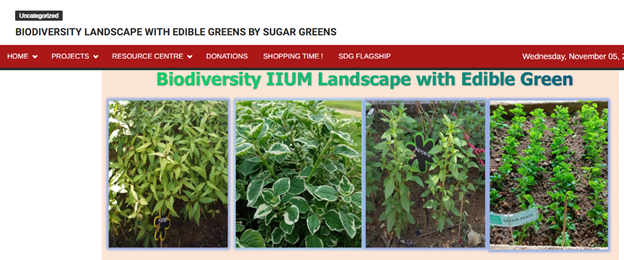
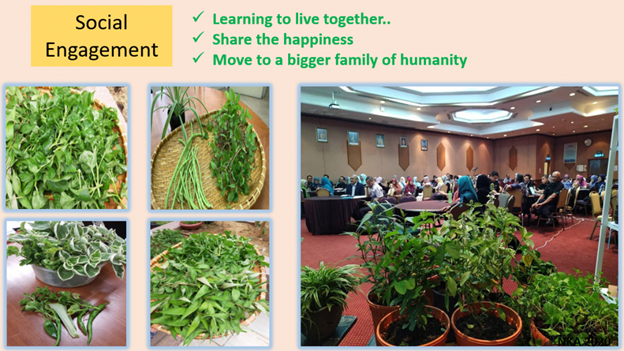
Complementing this, the Biodiversity Landscape with Edible Greens initiative transforms underutilised campus areas into productive green spaces with herbs, shrubs, and fruit trees requiring minimal watering. These green areas not only beautify the campus but also contribute to ecological balance and sustainable water management. 

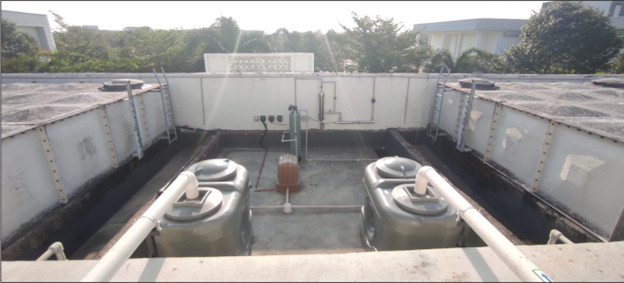
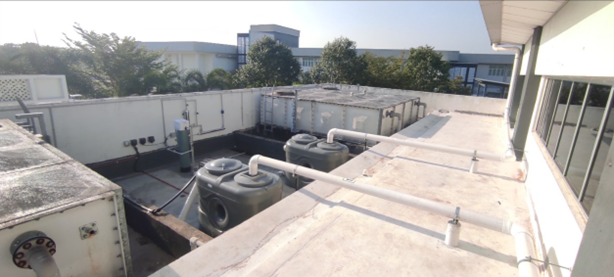
IIUM practices water reuse through rainwater capture and treatment systems installed at various parts of the campus. These systems collect rainwater from rooftops and surface runoffs, which is then stored and treated for non-potable uses such as landscape irrigation, cleaning, and toilet flushing. Several buildings, including those within the Engineering and Masjid complexes, incorporate rainwater harvesting facilities designed to reduce reliance on treated municipal water.

This initiative reflects IIUM’s commitment to responsible water management and aligns with its environmental sustainability objectives

Sources: 

IIUM Go Green initiative,

https://journals.iium.edu.my/ejournal/index.php/iiumej/article/view/1139?utm

and https://journals.iium.edu.my/ejournal/index.php/iiumej/article/view/1139 

WATER REUSE POLICY IN IIUM

Source: https://sdgadmin.iium.edu.my/blog/biodiversity-landscape-with-edible-greens-by-sugar-greens/?utm_source

Together, these practices show IIUM’s continuous effort to integrate environmental responsibility into campus design, guided by Sejahtera and Maqasid Shariah values.

WATER REUSE MEASUREMENT IN IIUM

IIUM actively monitors the reuse of water across its facilities through a rainwater harvesting (RWH) metering system. The data from April 2024 to December 2024 the rainwater harvesting system supplied 28.5 m³ for non-potable uses. Monthly use ranged from 2.02 m³ in April to 4.21 m³ in August. Regular metering supports planning, audit, and year-on-year improvement., with consistent monthly measurements indicating steady reuse throughout the year. The consumption pattern reflects the university’s commitment to managing water sustainably by capturing and reusing rainwater for non-potable purposes such as cleaning, irrigation, and landscape maintenance.

SAJ Meter RWH Meter RWH Consumption (m³)
Apr-24 1.43 3.45 2.02
May-24 2.87 7.19 3.74
Jun-24 4.32 9.84 2.65
Jul-24 6.15 12.34 2.50
Aug-24 7.69 16.55 4.21
Sep-24 9.15 20.32 3.77
Oct-24 10.67 23.45 3.13
Nov-24 12.01 27.65 4.20
Dec-24 12.32 29.93 2.28
Total 2024 66.61 150.72 28.50

Source: IIUM Development Division 

WATER MANAGEMENT EDUCATIONAL OPPORTUNITIES IN IIUM

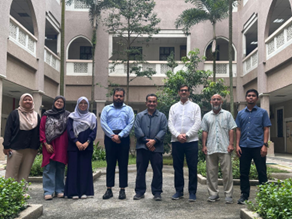
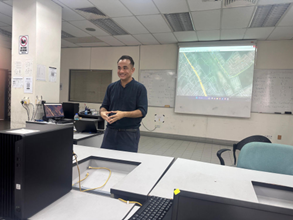
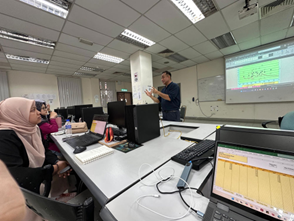
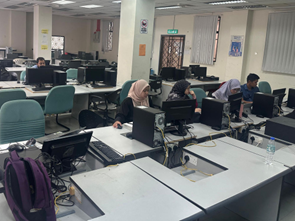
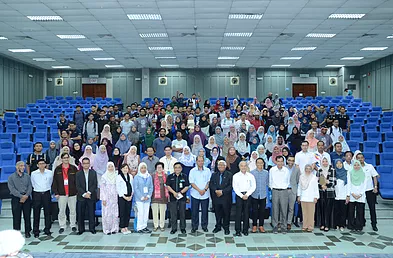
The International Islamic University Malaysia (IIUM) Department of Chemical Engineering hosted a hands-on workshop titled “QUAL2K: Water Quality Modelling” in 2024. Participants from academia and industry explored river-system monitoring, pollution modelling and treatment-scenario simulations. The workshop offered a valuable learning environment for students, researchers and professionals alike. 

OFF-CAMPUS WATER CONSERVATION SUPPORT INITIATIVES FROM IIUM

IIUM supports practical water conservation beyond campus. 

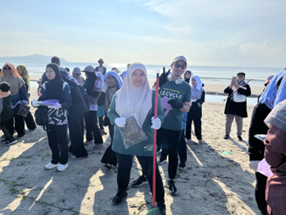
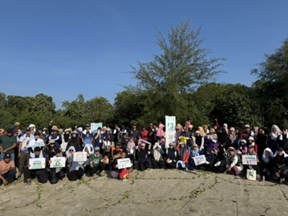
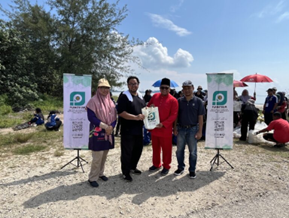
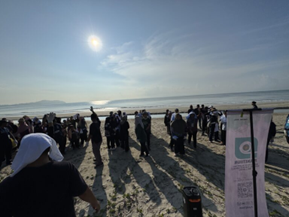
IIUM World Cleanup 2024 Beach Cleaning Programme

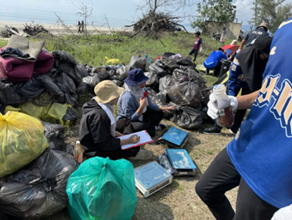
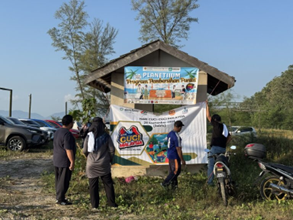
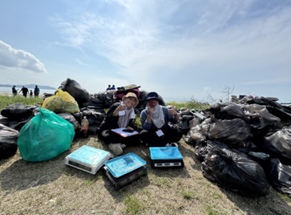
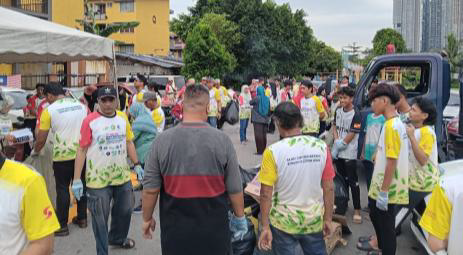
In celebration of World Cleanup Day 2024, a Beach Cleaning Program  was organized by Institute of Planetary Survival for Sustainable Well-being (PLANETIIUM), bringing together individuals from diverse backgrounds, including environmental activists, community members, students, and volunteers. The event successfully united participants from all walks of life with the shared goal of promoting a cleaner and healthier environment.

The initiative was made possible through the collaboration of numerous local and national agencies, as well as non-governmental organizations, which played a crucial role in planning and execution. The event also garnered generous support from various sponsors, who provided the necessary resources and logistics for the cleanup effort.

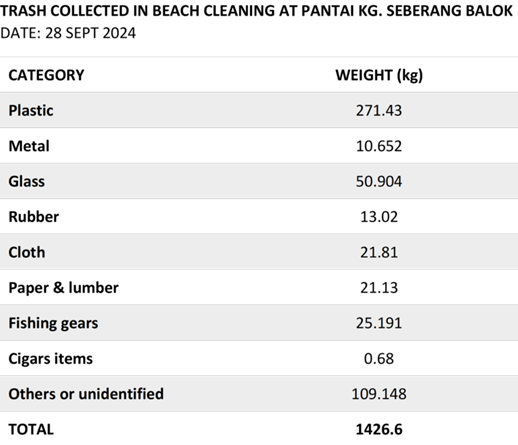
During the program, a total of 1,426 kg of trash was collected from the beach, highlighting the significant impact of plastic pollution and other waste on our coastal ecosystems.

The event not only made a tangible difference in improving the cleanliness of the shoreline but also raised awareness about the importance of sustainable practices and waste management.

This successful initiative served as a powerful reminder of the collective responsibility we share in protecting our environment, and it further reinforced the importance of ongoing community engagement in addressing global environmental challenges.

Source: https://institute.iium.edu.my/planetiium/?p=2509

National River Care Partnership

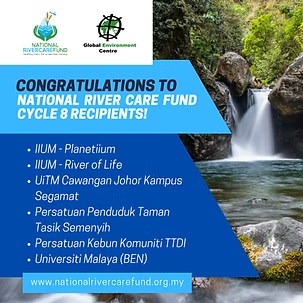
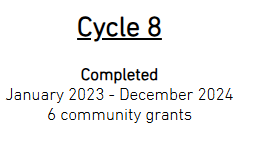
Furthermore, IIUM also partners with the National River Care Fund on Sungai Pusu projects. Activities include riverbank protection using coconut coir mats and vetiver grass with students and lecturers involved on site. This work strengthens community capacity to care for local waterways.

Source: https://www.nationalrivercarefund.org.my/cycle-8

SUSTAINABLE WATER EXTRACTION ON IIUM CAMPUS

IIUM applies responsible extraction where non-potable water is drawn from on-site natural sources and groundwater. The Community Garden Guidelines permit the use of streams, rivers, lakes, and ponds for irrigation. They allow electric or engine pumps to move water to gardens under Development Division control. This shows managed surface-water withdrawal for campus use. 

Source: https://division.iium.edu.my/development/wp-content/uploads/sites/7/2023/10/IIUM-COMMUNITY-GARDEN-GUIDELINES-2022.pdf?utm_source

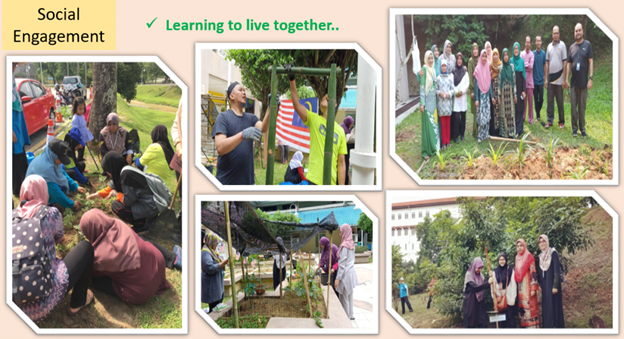
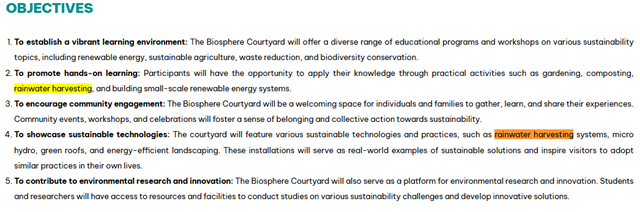
PLANETIIUM’s Biosphere Courtyard showcases rainwater harvesting as a live installation. Together these practices support sustainable sourcing and reuse on university grounds. They reduce reliance on treated mains water and build practical know-how across the community

Source: https://institute.iium.edu.my/planetiium/?page_id=1622&utm 

IIUM COOPERATION ON WATER SECURITY

IIUM works with government partners to protect rivers and improve water security. The campus hosts the River of Life outreach programme. This is a national initiative led by the Malaysian Government to clean and restore the Klang River system. It brings together the Department of Irrigation and Drainage at federal level with Kuala Lumpur City Hall and other agencies. 

The River of Life (ROL) is a seven-year project headed by the Government of Malaysia to transform the Klang River into a vibrant and liveable waterfront with high economic value. Covering eight (8) rivers and three (3) major components i.e. River Cleaning (led by Department of Irrigation & Drainage (DID) Malaysia), River Beautification (led Kuala Lumpur City Hall (DBKL)) and Commercialisation and Tourism (led Ministry of Federal Territory (KWP)).

IIUM main campus at Gombak is blessed with a unique privilege of two rivers flowing through its terrain with seven ponds along the river. It is known that rivers are the backbone of human civilization and their significance cannot be described succinctly. Besides creating unique scenery in campus with all the aquatic lives, the flowing rivers of Sg. Pusu and Batang Sg. Pusu could become a source of learning and inspiration for IIUM community, especially the future leaders of the world.

Rivers flowing in a university campus should reflect a natural aesthetic and recreation attraction to the residents and visitors. Besides that it is an area for learning and research.

However, due to an unfortunate circumstance the Pusu river system in IIUM have turned otherwise. Pusu River is described as is murky in appearance, which reflects elevated suspended solids (SS) levels. Siltation disrupts fish habitation and may also affect propagation.

The campus is interspersed with seven ponds along the river and its tributaries at the downstream. Some of these ponds were available for the university’s kayaking club. However, due to siltation in the ponds these kinds of activities are not possible anymore.

Also in the past few years, the campus was hit by massive floods which resulted in few million ringgit losses due to damages in properties.

Source: https://flagship.iium.edu.my/rol/2019/02/19/river-of-life-background/?utm

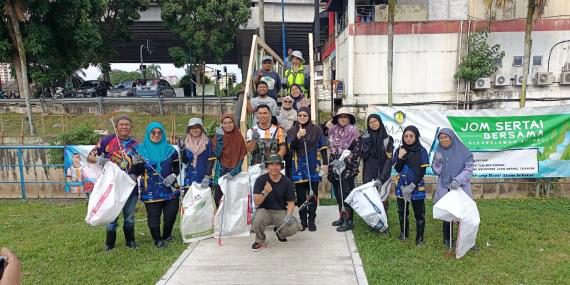
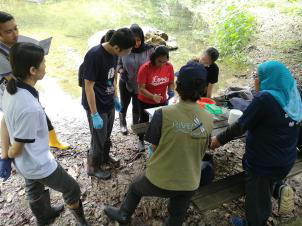
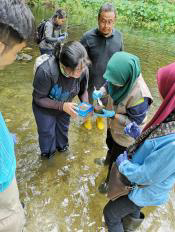
One of the initiatives undertaken to address this issue is that at the local level the IIUM River of Life team runs activities throughout Sungai Pusu on campus. Students and staff join cleanups, monitoring and awareness events. The programme connects IIUM with nearby schools and community groups and builds habits that keep waterways clean.
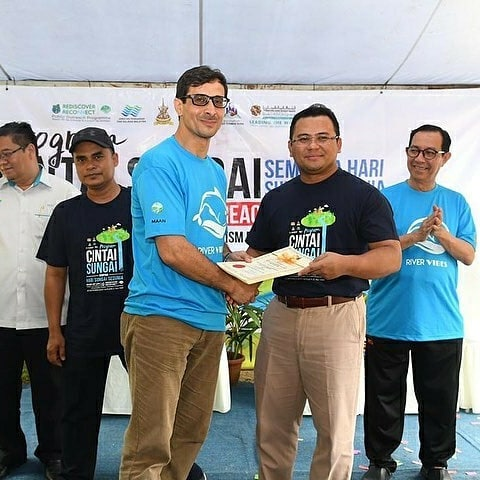
At regional level the project engages the Selangor Water Management Authority. Collaboration happens through outreach and technical support that links campus action with the wider Klang–Gombak basin. These links help align campus efforts with basin goals. 

In 2024, various activities were undertaken. Among others:

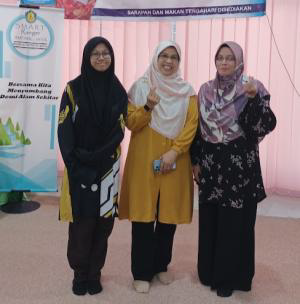
  1. Smart River Ranger Ampang

Date: 18 May 2024

Collaboration with Friends of Klang River Basin and MPAJ (Jabatan Kesihatan dan Alam Sekitar)

  1. Program Alam Sekitar Bersih, Komuniti Ceria 2024

Date: 21 December 2024

Collaboration with Friends of Klang River Basin, MPAJ, GEC, LUAS, JPS, UCSI, SUNWAY, Taylor

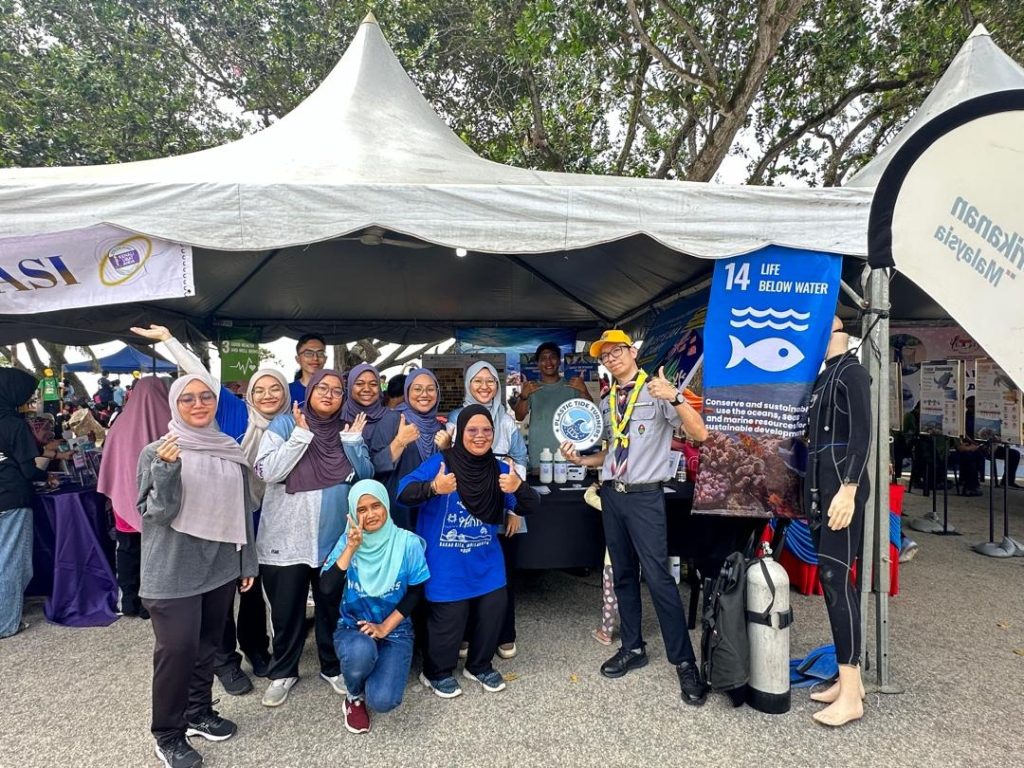
  1. River Pollution Public Outreach Programme

28 December 2024

Collaboration with with Friends of Klang River Basin and GEC

Overall the River of Life platform anchors IIUM cooperation with national, city and state bodies. It supports cleaner rivers, safer waterways and a community that understands its role in water security. 

PROMOTING CONSCIOUS WATER USAGE INITIATIVES

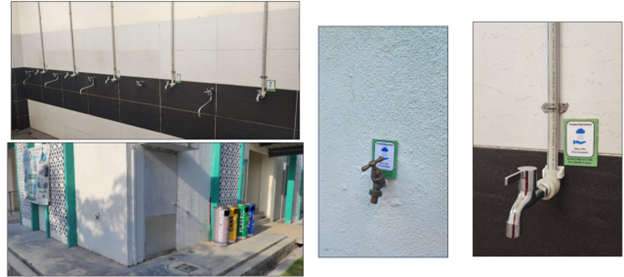
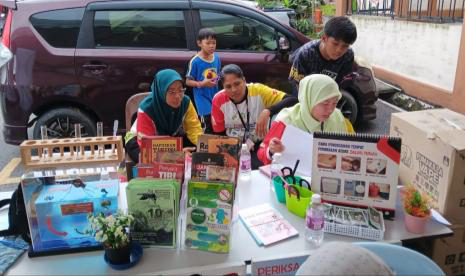
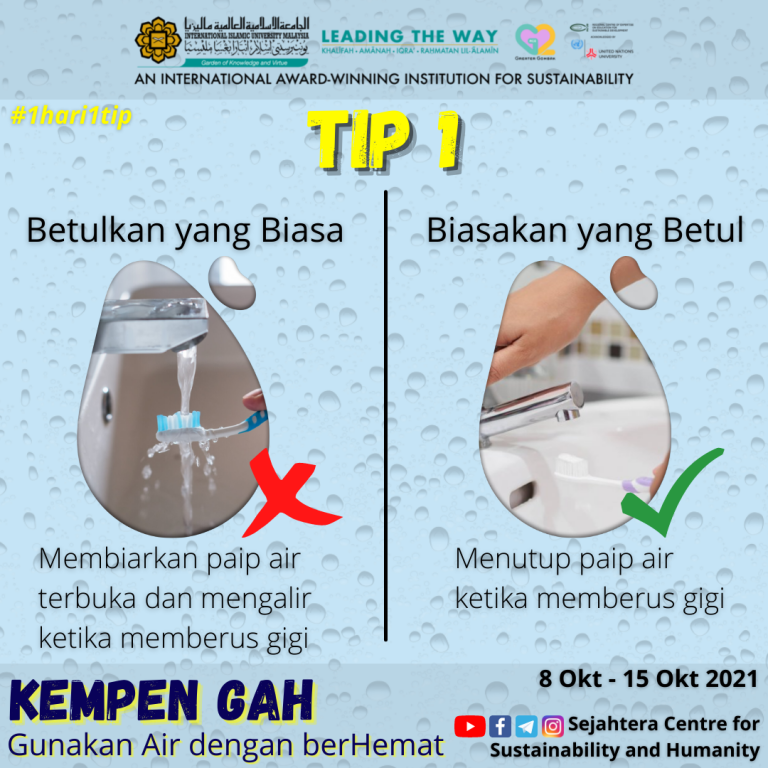
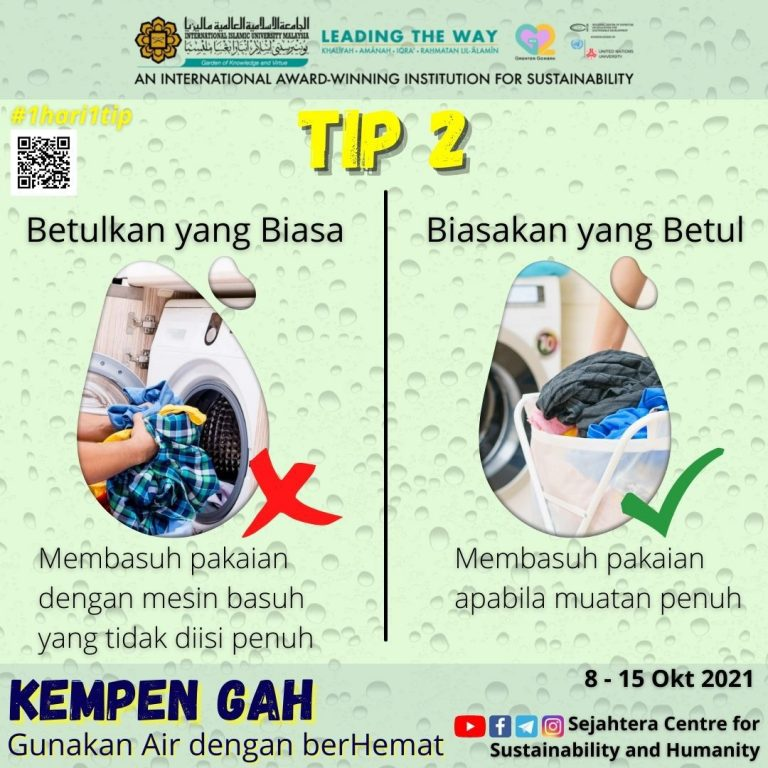
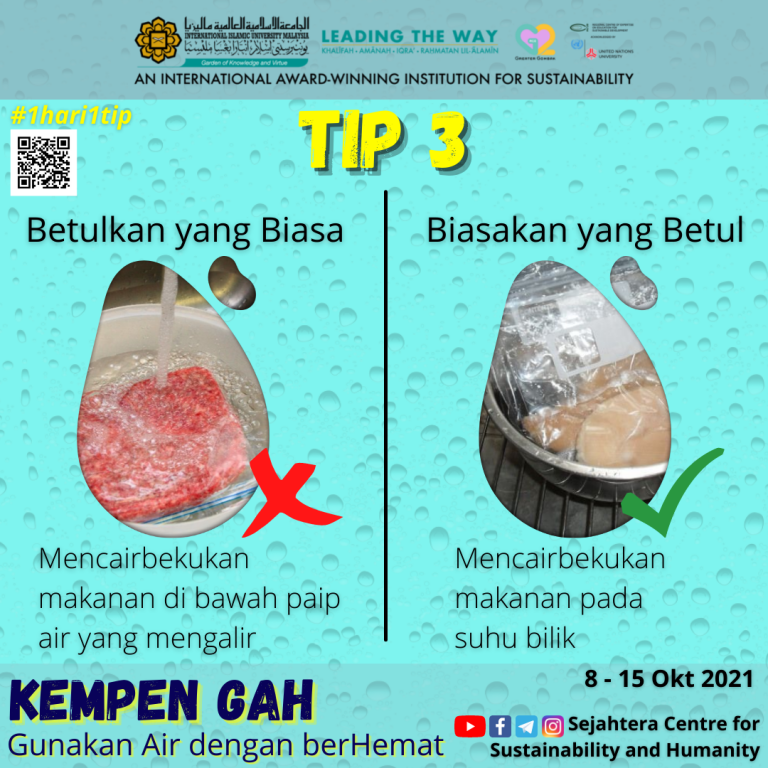
IIUM promotes conscious water use through the ongoing Sejahtera Centre’s Wise Water Usage campaign, which was launched in 2019 and runs until today. Known on campus as Kempen GAH. Guna Air dengan berHemat. Posters and visuals appear across common areas. Student and staff outreach runs through briefings and digital channels. SC4SH also shares reminders on its website and social media platforms. These simple nudges build daily habits that cut wastage and protect our shared resource.

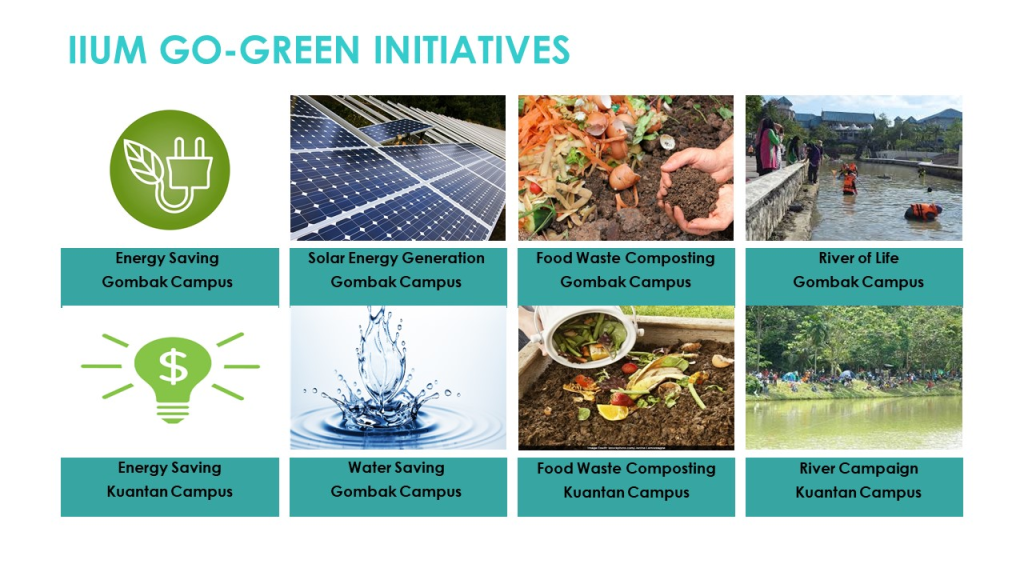
IIUM Go-Green Initiatives

Source: https://division.iium.edu.my/development/go-green-initiatives/

Through the IIUM Go Green initiative, the Gombak Campus runs a dedicated Water Saving effort that encourages everyone to use water responsibly in classrooms, offices, hostels and prayer spaces. Awareness activities, reminders and visual cues highlight simple daily practices such as turning off taps promptly, avoiding wastage and reporting leaks. This ongoing effort nurtures conscious water habits across the campus community and supports IIUM’s commitment to SDG 6 on clean water and sanitation.