
NURTURING UMMATIC EXCELLENCE THROUGH SDG 11: SUSTAINABLE CITIES & COMMUNITIES
At the International Islamic University Malaysia (IIUM), sustainability is not an add-on; it’s our way of operating. Inspired by the Garden of Knowledge and Virtue, we integrate the three core functions of higher education: teaching, research, and community engagement into a single mission: advance knowledge, serve humanity, and balance people and planet. Learning at IIUM is connected to real-life challenges and community needs, so sustainability is both taught and practised across our campus ecosystem.
Sustainable Development Goal 11 calls for inclusive, safe, resilient, and sustainable cities and communities. IIUM contributes by turning the university into a living model of sustainability; a place where ideas become working solutions that benefit society.
SUPPORT OF ARTS AND HERITAGE
KAED Malay Enclave Site
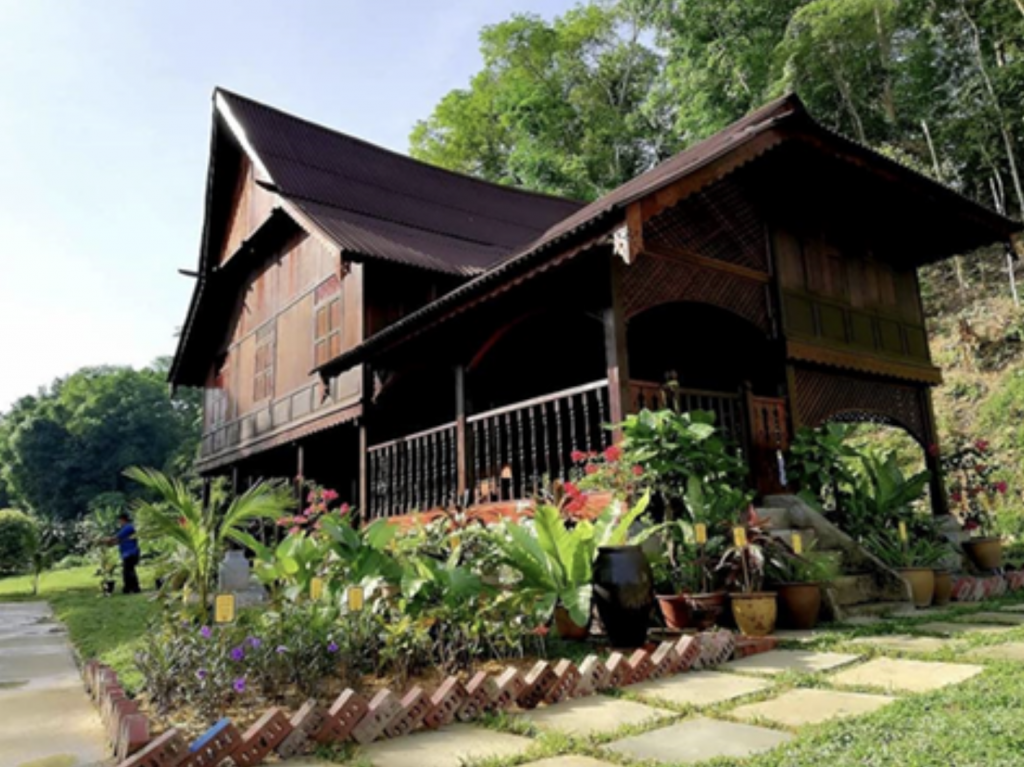
The Perak House is identified as Rumah Kutai Beranjung is an old house originally located at Lot 115 Jalan Siputeh, Mukim Blanja, Parit, Perak. According to records, the house is believed to have been built around the 1910s based on land documents that were registered in 1907. The original owner was believed to have been an influential person in the area as the ‘Rumah Kutai Beranjung’ referring to a Malay leader’s house. This relocation project of the Perak House is mooted by Y.Bhg. Tan Sri Dato Seri Utama Dr. Rais Yatim, President of International Islamic University Malaysia (IIUM) who is also the Advisor to the Government of Malaysia on Socio Cultural Matters. Y.Bhg. Tan Sri seeks for any architectural structure or building of Malay to be preserved and advanced by relevant institutions or agencies within the country.
Structurally, the house has two important parts, namely ‘Rumah Anjung’ and ‘Rumah Ibu’. The size of the ‘Rumah Anjung’ is 2.76 meters x 4.52 meters while the ‘Rumah Ibu’ is 7.24 meters x 7.03 meters. The house is essentially made of chengal wood and also has one room.
Upon approval from the University’s management, in June 2017, the process of dismantling, restoring and reassembling work began and the relocation project was successfully completed in March 2018. This house that has been fully restored and repurposed as a living laboratory for teaching, research, and cultural appreciation. Beyond its academic function, KAED offers the Rumah Kutai and surrounding Laman KAED for public rental accommodating research visits, photography sessions, cultural ceremonies, and community events such as kenduri.
The booking form lists rental-rates for different spaces:
- For IIUM internal use: RM1,000/day for the house (“Rumah Perak”) and Laman KAED combined.
- For other space in Laman KAED only: RM200/day for smaller activities (birthdays/celebrations) for IIUM users.
- Photography/video shoot rate: RM100/hour for the house for IIUM internal users.
- Booking conditions: 10% security deposit of published rate (refundable subject to cleanliness and no damage)
Through this initiative, KAED not only preserves and promotes Malay architectural heritage but also creates a sustainable model for income generation, maintenance funding, and community engagement that aligns with IIUM’s mission of integrating knowledge, culture, and enterprise.
Dar al-Hikmah Library
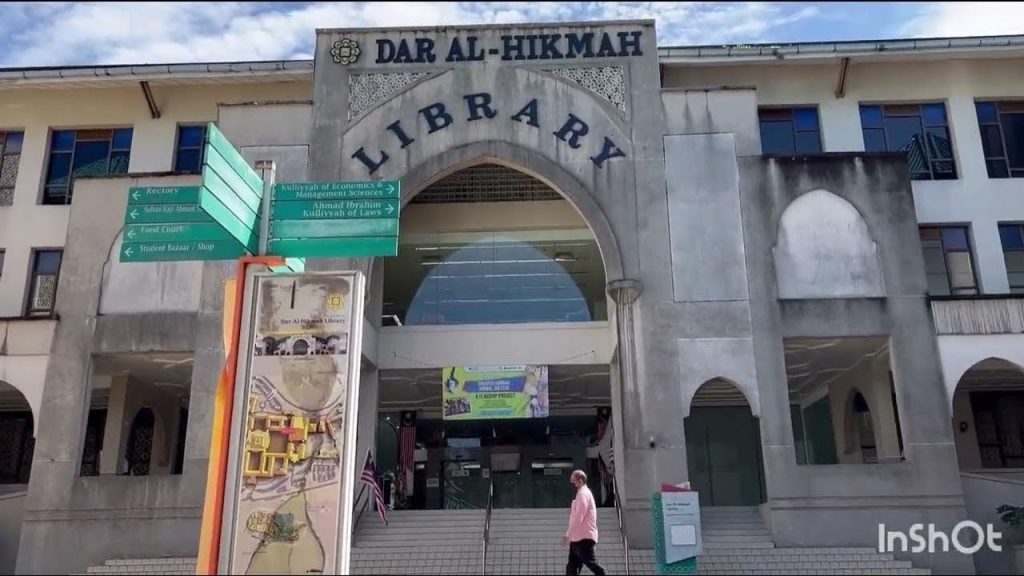
The Dar al-Hikmah Library at the International Islamic University Malaysia (IIUM) serves as a vital gateway for lifelong learning and community engagement. Beyond supporting students and staff, the library welcomes public visitors, external researchers, and knowledge enthusiasts to access its vast collection of books, e-publications, and open-access databases. Through transparent rental and usage guidelines, Dar al-Hikmah Library ensures inclusive access to its facilities while maintaining sustainable library operations.
In doing so, Dar al-Hikmah Library supports the dissemination of knowledge beyond the university community, aligning with IIUM’s mission to serve the wider Ummah and promote lifelong learning.
In addition to digital access, the library maintains a formal framework for usage of physical and venue-based services by external users. The “Library Charges Guidelines” document outlines day-rental fees for library facilities (for example, the Multipurpose Room is RM 800/day, the Computer Lab RM 500/day) which ensures that the library’s infrastructure can be sustained and made available to those outside the immediate IIUM student/staff body. Members of the public can benefit from on-site visits, research consultations, document delivery, and inter-library loan services. Facilities such as the Multipurpose Room, Computer Lab, and seminar spaces are also available for rental. This initiative not only promotes public access to information but also contributes to the sustainability and continuous improvement of library services at IIUM.
Such revenue-generating mechanisms help maintain and upgrade the library’s facilities, enabling public visitors, researchers, and external community groups to make use of the library’s spaces and collections.
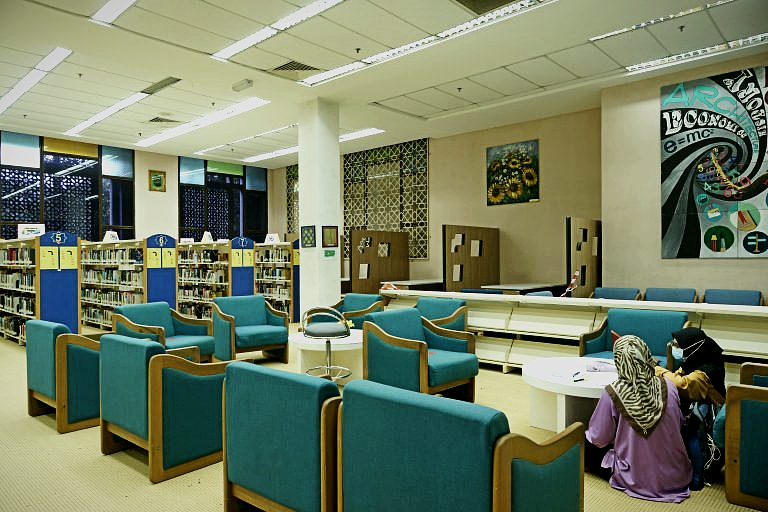
For scholars, external researchers or members of the public seeking to borrow or consult materials, Dar al-Hikmah Library offers a structured service model. While primary borrowing privileges are for IIUM registered members, the library nevertheless provides inter-library loan and document delivery services, and invites external users under certain conditions.
These provisions mean that the library is positioned not only as a campus resource but also a regional centre of research and reference, widening its impact and fostering knowledge exchange across academic and public spheres.
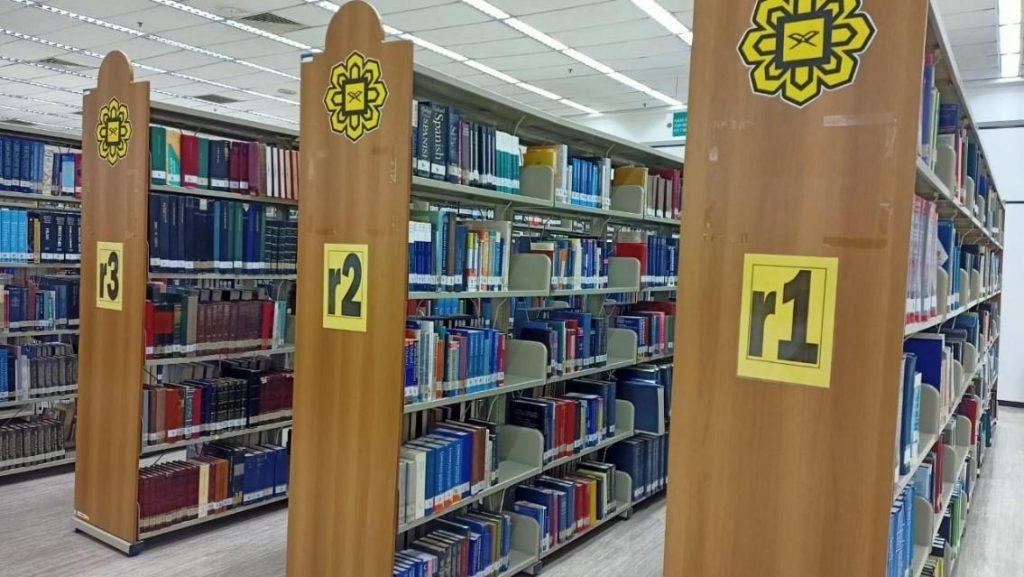
The IIUM library system extends beyond the Gombak main campus to include several specialised libraries:
- Syed Muhammad Naquib al-Attas Library, Kuala Lumpur – housing one of Malaysia’s most comprehensive Islamic and manuscript collections.
- Dar al-Hikmah Library, Kuantan Campus – supporting professional and health sciences disciplines.
- Dar al-Hikmah Library, Centre for Foundation Studies (CFS) Gambang – catering to foundation and pre-university students.
These campus libraries are interconnected through a unified system that supports inter-campus resource sharing, off-campus access, and public research engagement. Through this multi-campus network, IIUM reinforces its mission to integrate knowledge, culture, and service. Public access to libraries enhances social inclusion, supports research collaboration, and strengthens IIUM’s role as a regional hub for knowledge exchange. Whether you are a student, researcher, or member of the community, the IIUM Library welcomes you to explore, learn, and grow.
Dar al-Hikmah Library IIUM Corporate Video
Kulliyyah of Architecture and Environmental Design (KAED) Heritage Lab
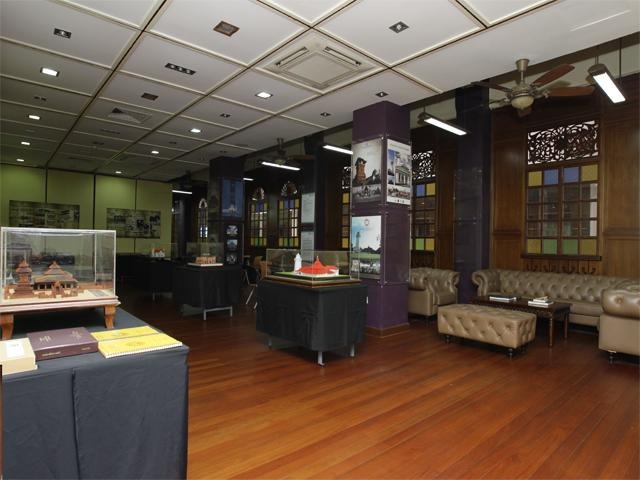
The Heritage Lab at KAED was established in conjunction with the foundation of the Heritage Studies course (AAR 3302) in 2000, as part of the Bachelor of Science in Architectural Studies programme at International Islamic University Malaysia (IIUM).
The mission of the Heritage Lab is to serve as a Centre of Excellence for Islamic architectural heritage, providing state-of-the-art facilities for research, documentation and teaching.
Through its niche area of documenting heritage buildings that have historical and Islamic architectural significance, the Heritage Lab supports not only academic learning but also public heritage appreciation.
Crucially, the Heritage Lab offers public access to works of art and artefacts, as well as exhibition-style documentation of traditional architecture. Visitors — including researchers, students, heritage enthusiasts and members of the public — are welcome during opening hours (8:30 am – 5:00 pm, Monday to Friday).
The Lab’s collection spans measured drawings, photographs, archival documentation, and model artefacts of heritage buildings from across the Malay Archipelago and beyond. Through this collection, the Lab functions much like a museum or gallery: enabling the public to engage visually and intellectually with built heritage, view exhibition-style displays, and access documentation specific to heritage architecture.
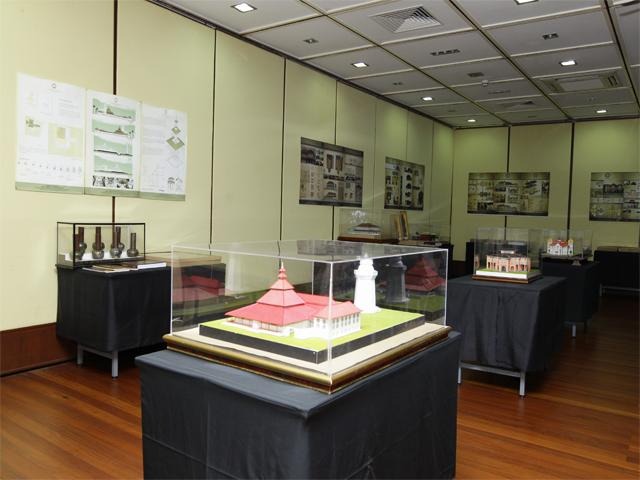
Moreover, the Heritage Lab supports research services for external users: via its “Reference and Purchase” scheme, non-IIUM users may access drawings and reports (for example, a full set of measured drawings can be purchased) for a fee. This means that the Lab not only displays heritage artefacts but also facilitates access to primary architectural documentation, thereby functioning as an open‐access heritage repository. As such, the facility significantly contributes to public engagement, heritage education and cultural enrichment beyond the university’s student body.
Arts and heritage contribution
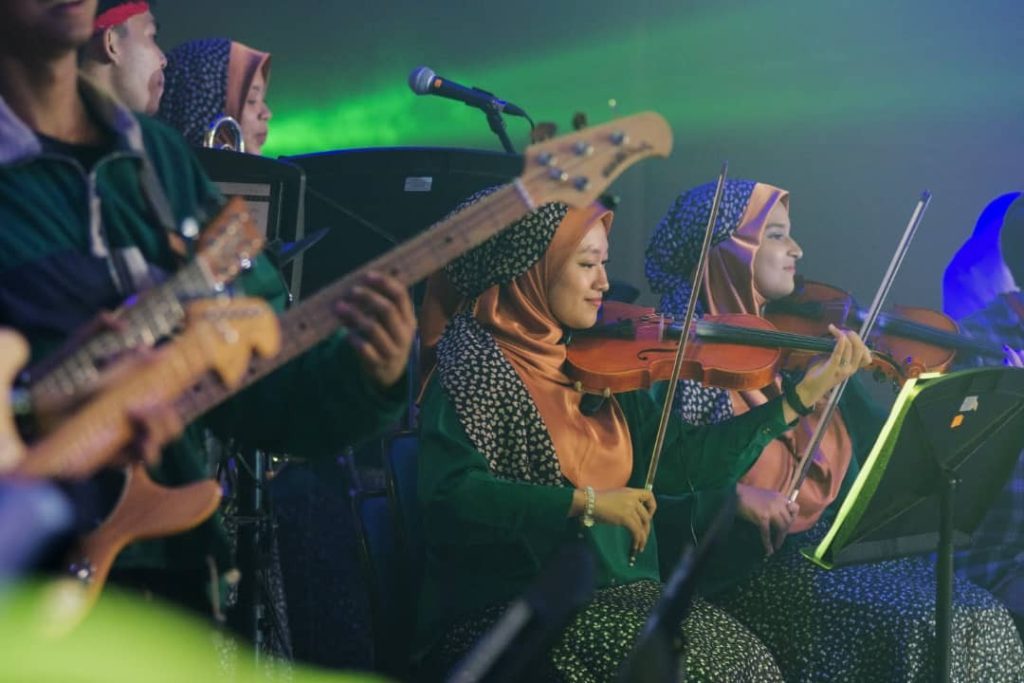
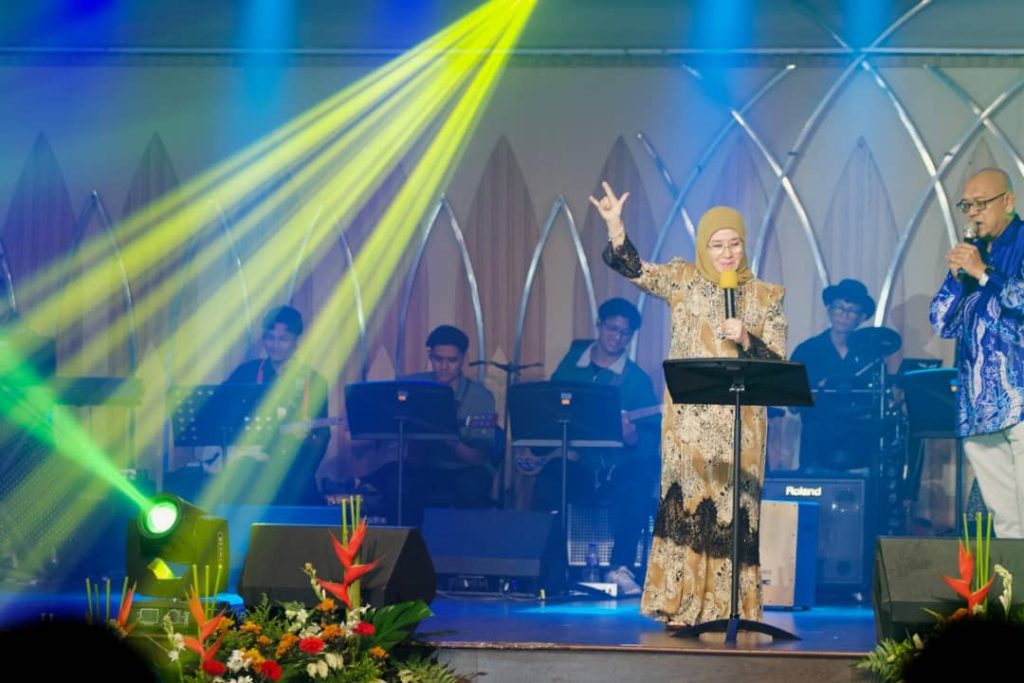
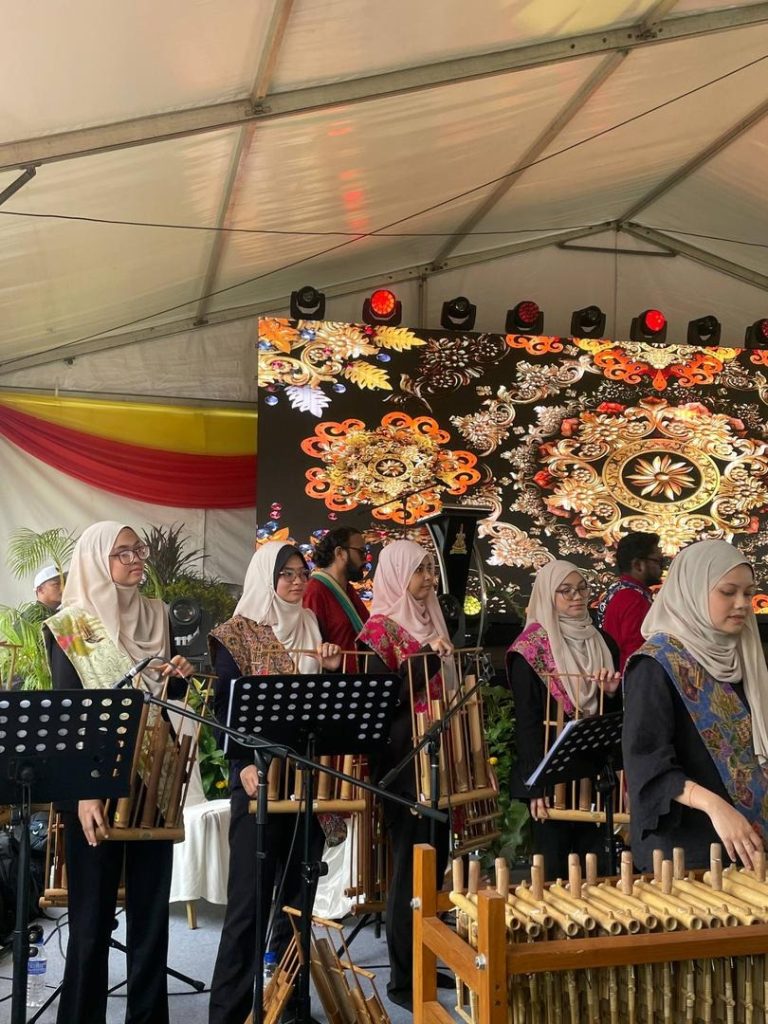
The International Islamic University Malaysia (IIUM) actively contributes to local arts and cultural preservation through a vibrant calendar of performances and creative showcases. In 2024, the University organises around 25 public performances by its choirs, theatre troupes, orchestras and cultural ensembles. These events, held both on campus and in collaboration with local partners, celebrate the diversity and richness of artistic expression while promoting unity and intercultural understanding. Whether performed ad hoc or as part of ongoing programmes, these initiatives nurture students’ creativity, strengthen community engagement and sustain the living heritage that reflects the University’s philosophy of balance between intellectual, spiritual and cultural development.
Forest of ‘Ilm
The Forest of ‘Ilm is an innovative living-laboratory initiative established by the Kulliyyah of Pharmacy, IIUM located on the Kuantan campus of IIUM. It comprises a designated secondary forest area adjacent to the Kulliyyah’s facilities and is developed to support teaching, learning, research and conservation of indigenous plant species. The name “Ilm” (knowledge) underscores the dual ambition of nurturing both natural ecosystem value and human intellectual growth.
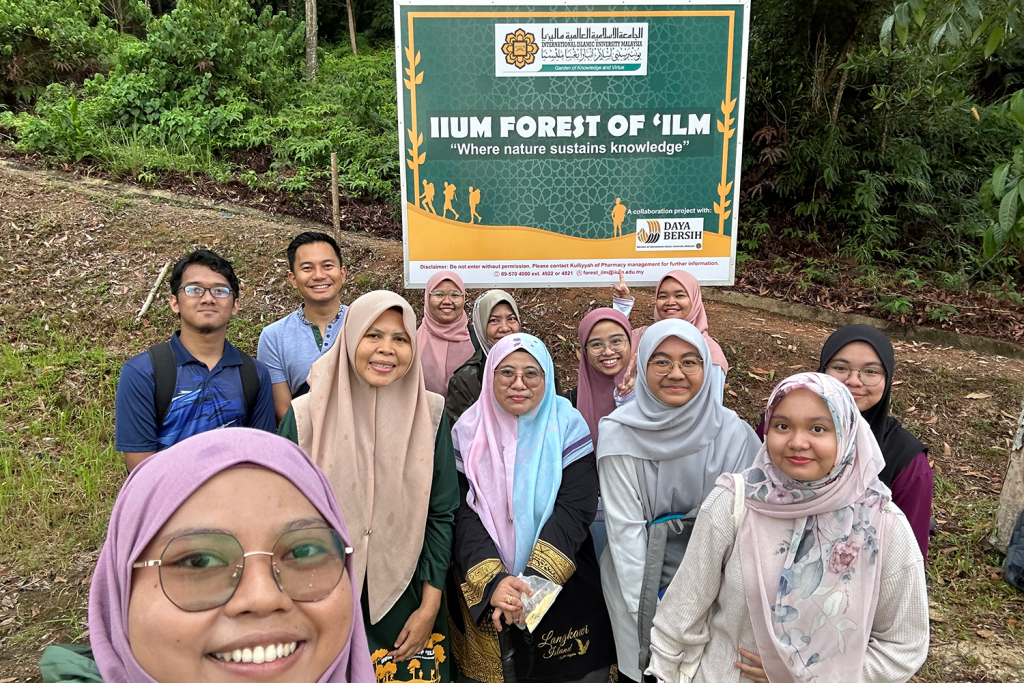
One of the core functions of the Forest of ‘Ilm is its role in academic programmes: students of pharmacy and related disciplines use the forest area as a site for herbarium collection, phytochemical screening, field identification of medicinal plants and final-year research projects.
The project has already catalogued dozens of species with QR-coded labels linking to a plant database, illustrating the commitment to digitisation and accessibility of biodiversity data.
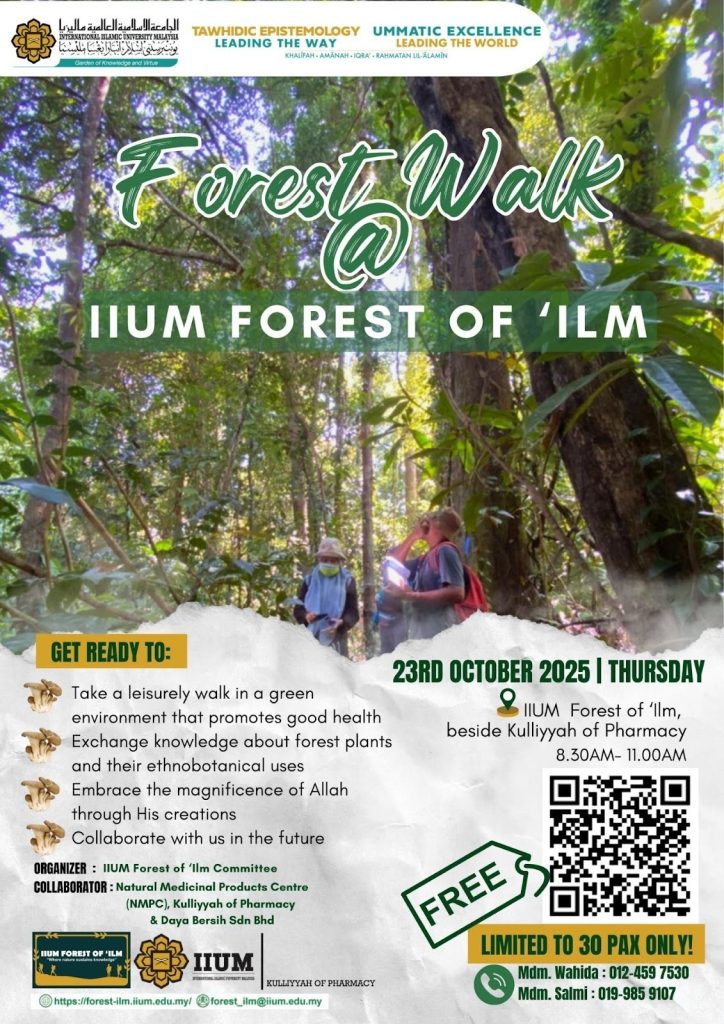
Beyond academic use, the Forest of ‘Ilm fosters community engagement and environmental stewardship. Activities such as a “Forest Walk” event on 23 October 2025 marked its integration into campus culture and public outreach.
The initiative also received recognition—such as the “Beautifying Garden of Knowledge & Virtue Award” during Takrim Day 2023—acknowledging its contribution to creating a spiritually attuned and sustainable campus environment.
WikiKata Preserving Indigenous Languages
The WikiKata project is designed to document and preserve indigenous languages in Malaysia, many of which face the danger of extinction. According to the initiative, although over 100 indigenous languages exist in Malaysia, many are already classified as endangered or have disappeared altogether.
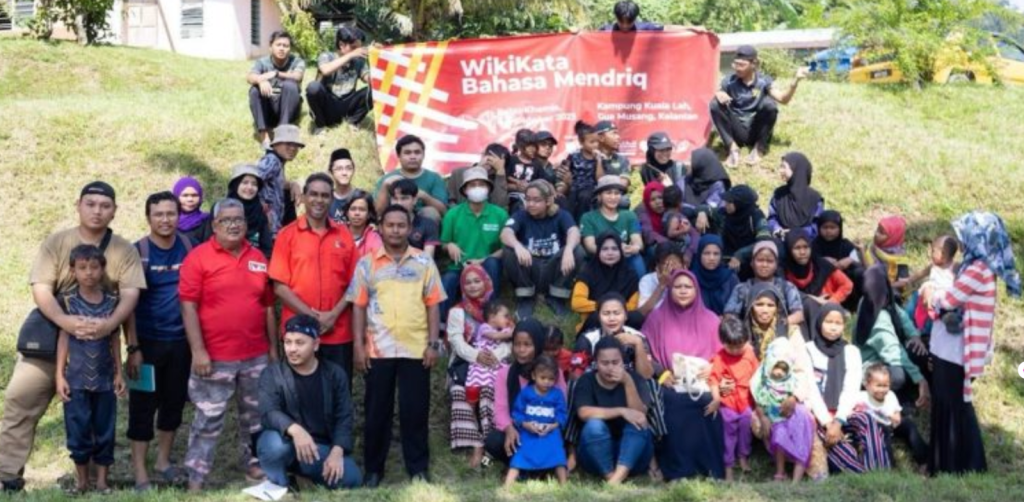
Through a collaboration between Wikimedia Malaysia and IIUM, WikiKata leverages digital platforms such as Wiktionary and Lingua Libre to create entries for vocabulary, record pronunciations, and upload video footage of community members speaking in their mother tongue.
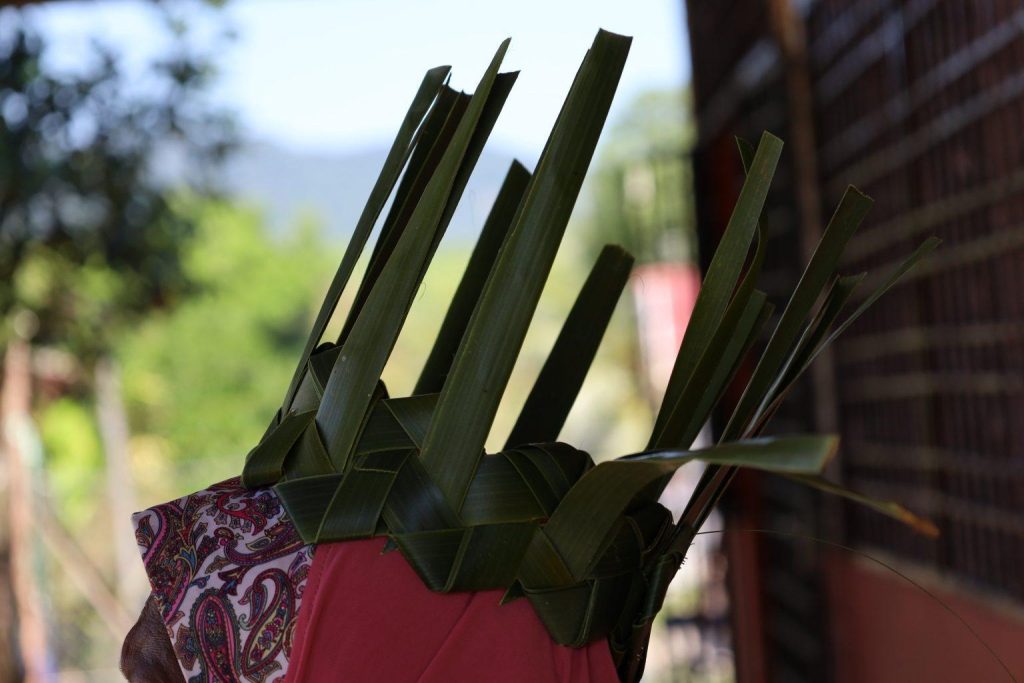
This effort ensures that these languages along with the rich cultural knowledge embedded within them are not lost and can continue to be accessed by both current and future generations.
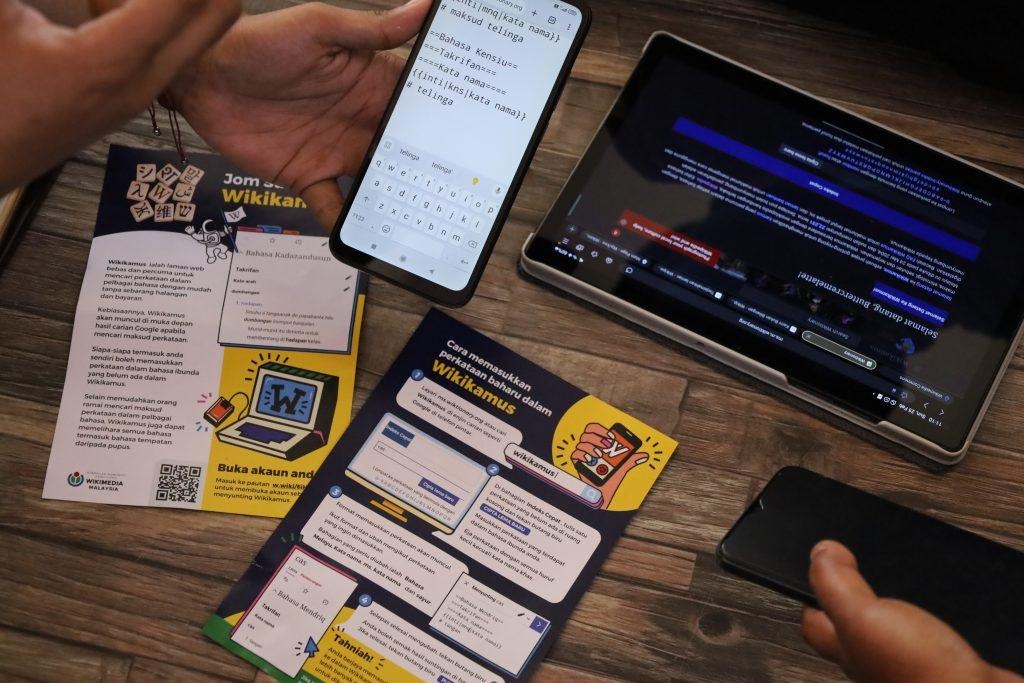
Beyond language, the WikiKata programme also empowers displaced or marginalised communities by giving them the tools and training needed to document their own knowledge, traditions and heritage. Volunteers undergo preparatory training, then conduct workshops in collaboration with community participants, guiding them to contribute their own entries and audio-visual recordings.
This model of participation ensures that the heritage of under-represented groups is preserved in a respectful, accessible way tuned to both digital literacy and cultural authenticity.
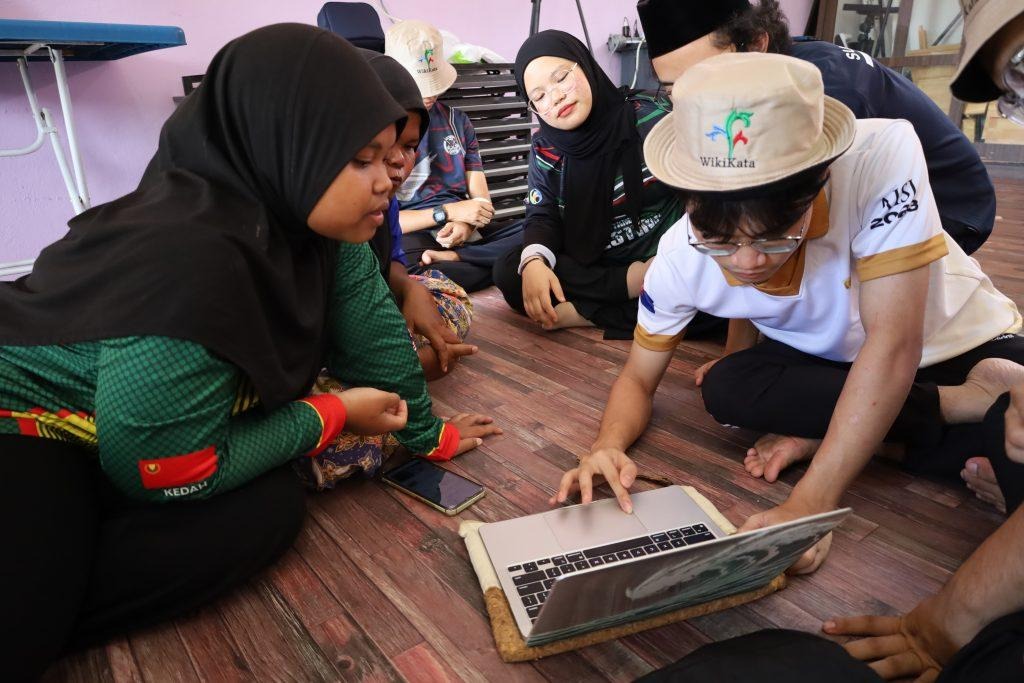
By integrating documentary work with research and community outreach, the initiative contributes not only to cultural preservation but also to academic study. The collected data (vocabulary entries, audio recordings, community video portraits) supports further enquiry by linguistics researchers, heritage scholars and community practitioners. Meanwhile, the global recognition the project has received underscores its impact: WikiKata has been presented at international forums and awarded by heritage and sustainability networks.
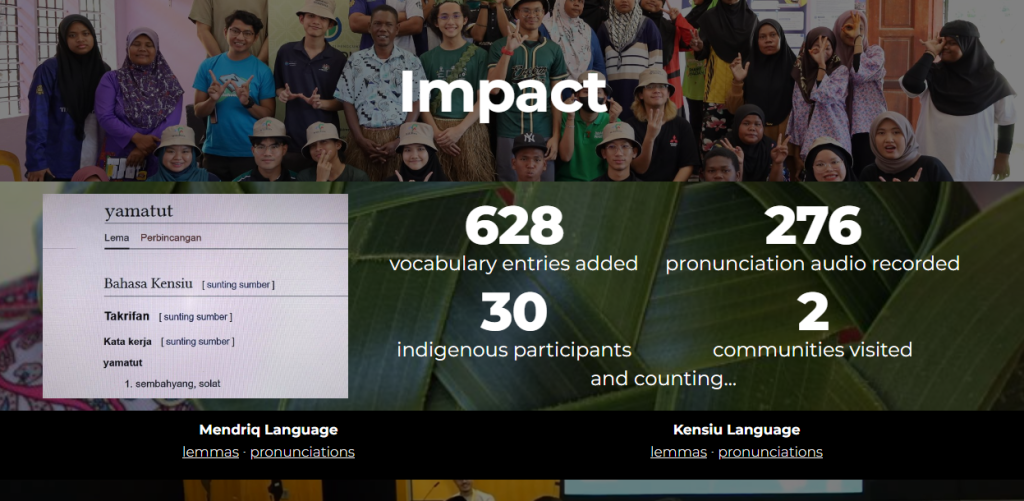
“Wikimedia Malaysia’s efforts to preserve the Mendriq language receive global attention “
Coverage on BERNAMA TV News.
In this way, the project embodies how intangible cultural heritage language, oral knowledge, traditions can be recorded and preserved in the digital age, while also reinforcing the role of universities in social and cultural sustainability.
SUSTAINABLE PRACTICES
IIUM Micro Mobility
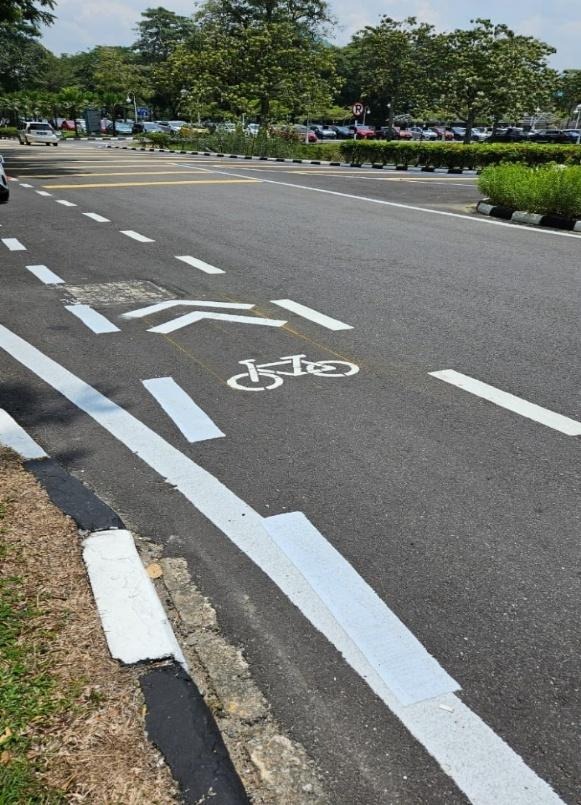
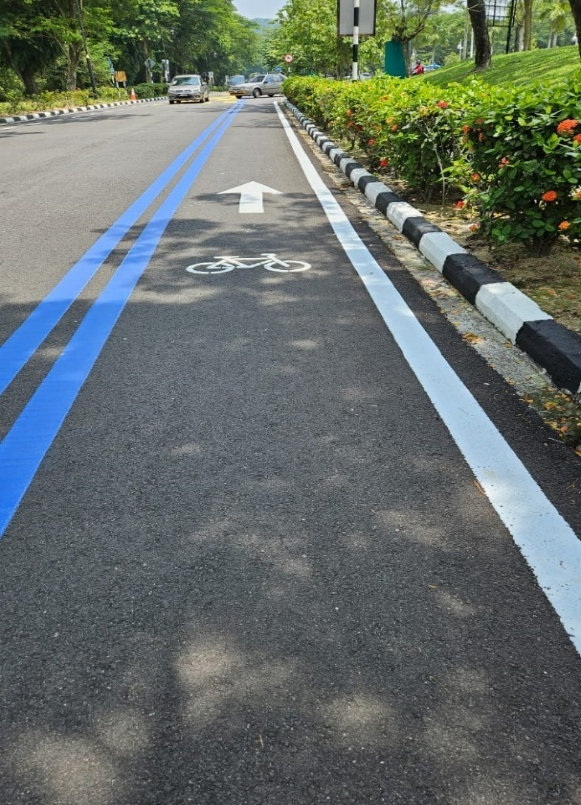
At IIUM, the “Go Green” initiative underscores the university’s commitment to creating a low-carbon, sustainable campus ecosystem. One of the key focus areas in this campaign is sustainable commuting, where IIUM is actively upgrading its campus infrastructure to favour micro-mobility (walking, cycling) and shared transport over private vehicle usage. For example, the dedicated lane along Al-Jami’ah Road at IIUM Gombak campus is being developed for micro-mobility users, signalling a shift from car-dominant commuting to more sustainable travel modes.
In support of this, IIUM is also tackling issues of congestion and safety by prohibiting roadside parking along Al-Jami’ah Road’s shoulders and by enhancing pedestrian and cycling facilities. This sets a physical and behavioural framework that encourages staff, students and visitors to consider alternatives to driving alone. Such measures not only reduce carbon emissions but also promote healthier lifestyles and a more connected campus environment.
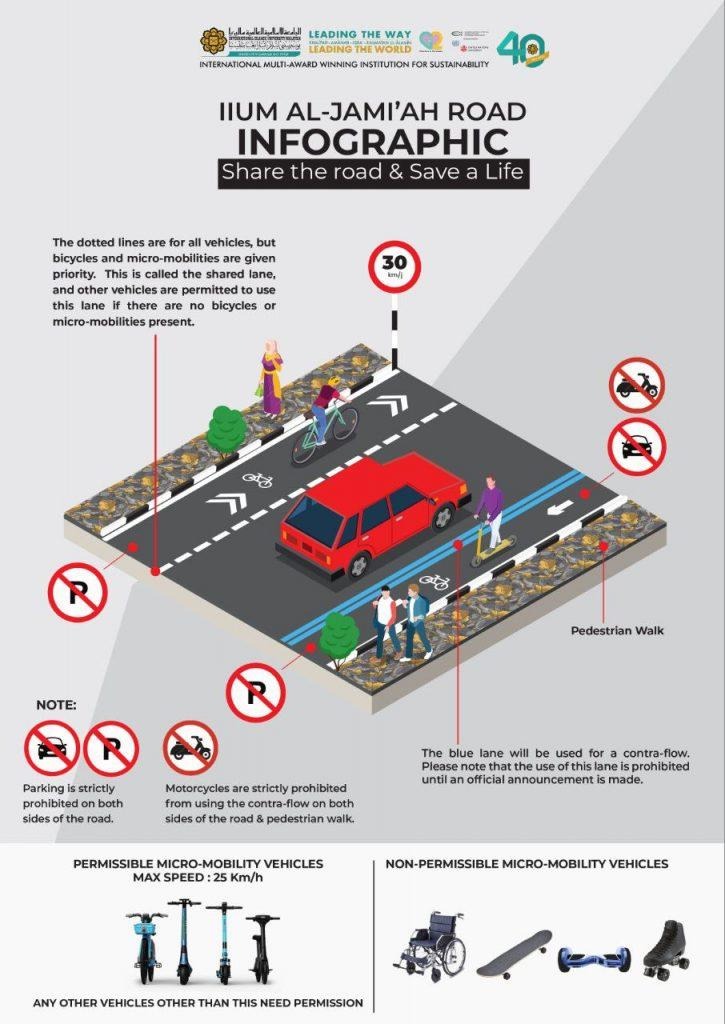
The implementation and enforcement of the use of this lane will be communicated later. Hence, this infographic serves as an initial notice regarding the guidelines and procedures for use along Al-Jami’ah Road when enforcement is carried out.
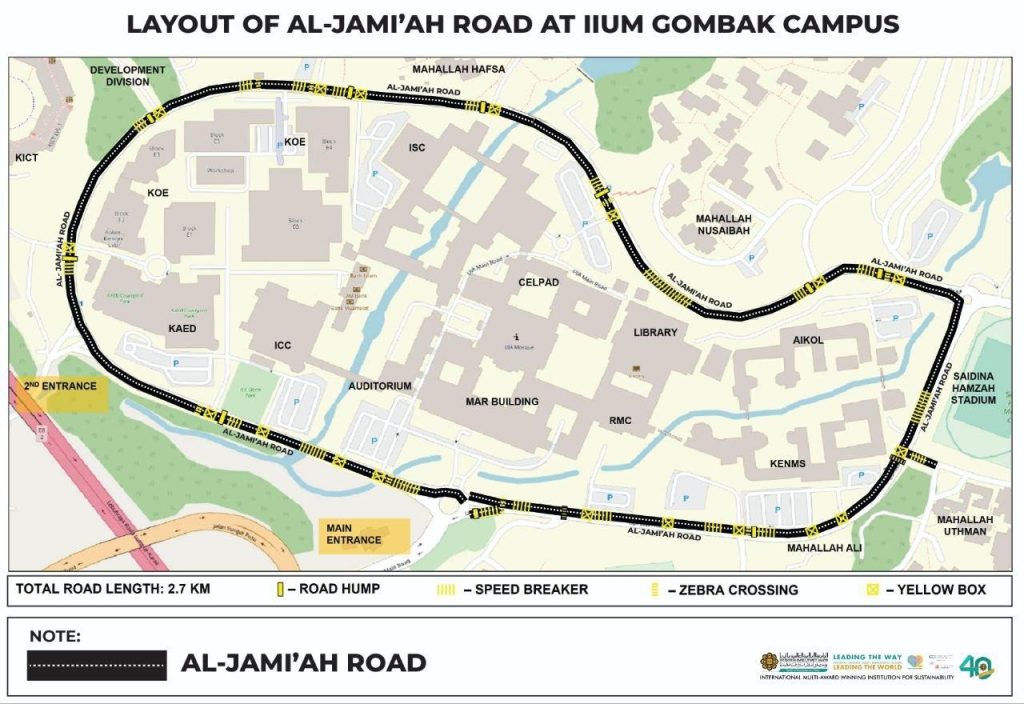
IIUM New Road Traffic Flow Awareness: https://youtu.be/kw2xqysv24A
Flexible Working Hours (FWH)
In recognition of evolving workplace needs, IIUM’s MSD implemented Service Circular No. 14/2022, titled “Implementation of Flexible Working Hours (FWH) for Administrative & Technical Staff”, effective from 5 September 2022.
The policy enables eligible staff to adjust their working hours, thus reducing peak-time commuting and enabling better scheduling of travel to and from campus. By offering flexibility in start and end times, staff may avoid rush-hour traffic, reduce vehicle emissions, and contribute to the institution’s sustainability objectives.
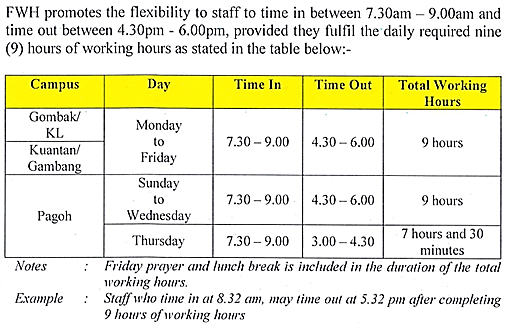
Beyond flexible hours, the underlying approach reflects a broader shift towards remote-capable work. Although the circular emphasises working hours rather than explicitly telecommuting, the flexible framework supports hybrid working models where tasks can be completed off-site when operationally feasible. This means that staff who would normally spend long commutes can work remotely or adopt staggered office attendance, thereby reducing travel-related carbon footprint and daily congestion. As such, the MSD policy complements IIUM’s green transport initiatives by addressing commuting behaviours at the staff level.
By institutionalising flexible work practices the MSD is not only enhancing staff well-being but also reinforcing IIUM’s commitment to sustainable campus operations. With fewer staff commuting daily or doing so at non-peak times, the university contributes to reduced traffic loads, lower energy consumption (in transport), and an improved campus environment. This proactive approach sets a model for how administrative policy can support environmental goals while maintaining operational effectiveness.
IIUM Affordable Staff Housing
The Residential Services Division (RSD) at IIUM is committed to enhancing staff welfare by providing affordable, university-managed housing options for employees. Through its off-campus apartment programmes at locations such as KM 17 Jalan Gombak, PKNS Apartments Kelana Jaya, and Desa Bistari Condominium Bukit Damansara, RSD offers staff accommodation that is both accessible and cost-effective. This initiative helps alleviate the financial burden of housing in the region and underscores IIUM’s holistic approach to employee support.
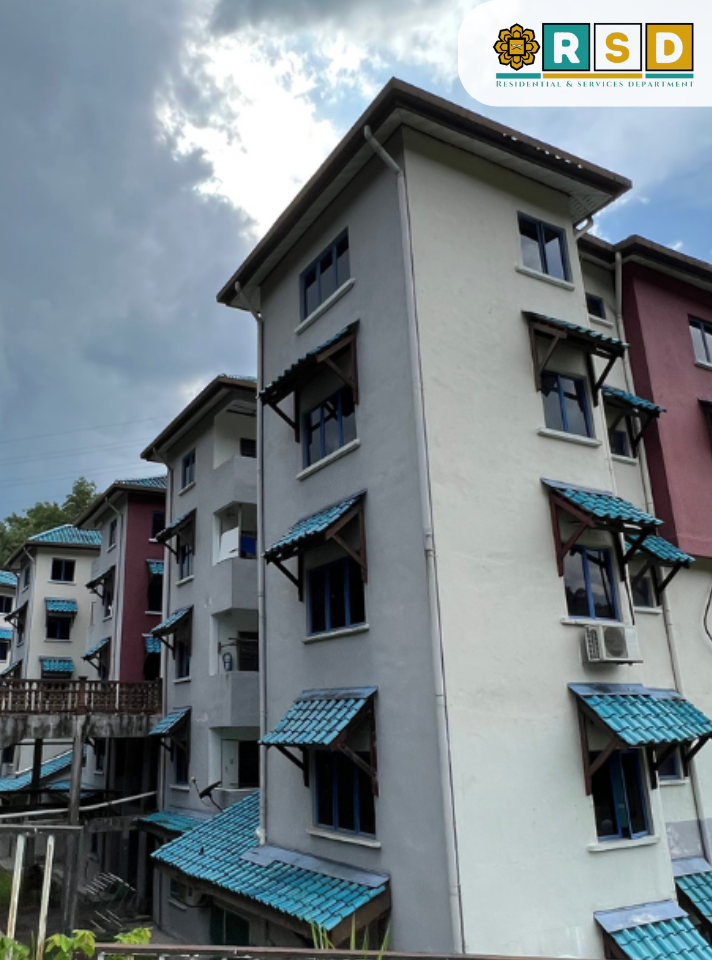
By operating and maintaining these residential units under the RSD’s oversight, IIUM ensures consistent standards of maintenance, transparent rental terms, and direct access to university services. Staff can benefit from a stable housing environment, shorter commutes, and closer integration with campus life. Collectively, these advantages contribute to better work-life balance, increased job satisfaction, and a stronger sense of belonging to the IIUM community.
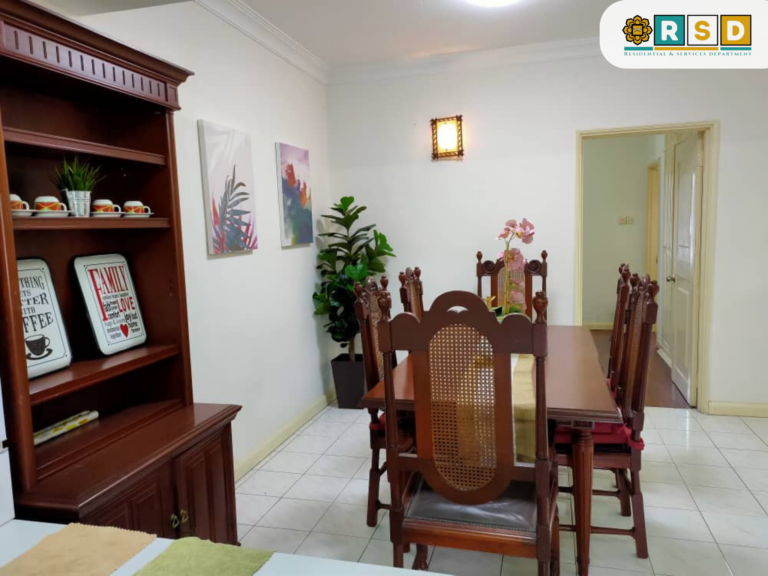
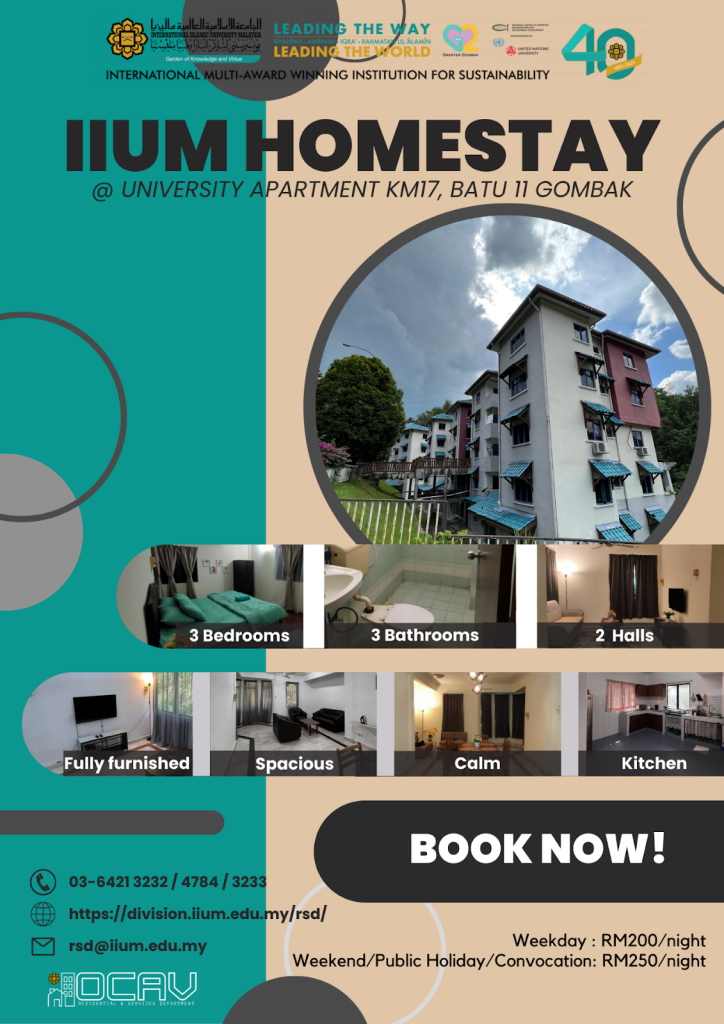
Moreover, the availability of affordable housing for employees aligns with wider strategic goals around sustainability and organisational efficiency. By reducing staff travel times and encouraging residence closer to the campus or within affiliated areas, the institution supports reduced transportation emissions and fosters a more sustainable commuting pattern. In this way, RSD’s housing provision models how staff welfare, operational benefit, and environmental considerations can be meaningfully integrated.
Staff Financing Programme
The Finance Division at IIUM offers a comprehensive Staff Financing Programme that aims to support eligible employees in making key purchases and long-term investments. The scheme includes financing for computers and related hardware/software, vehicles (motorcycles and cars) under certain eligibility conditions, and housing with a subsidised profit rate.
This institutional initiative demonstrates IIUM’s commitment to employee welfare by providing access to financing at terms more favourable than standard market offerings.
Eligible staff members (permanent or on contract status) may apply for these financing facilities subject to defined criteria. For example, under the computer financing scheme, the deduction must not exceed one-third of basic salary and the total deduction (including other deductions) must not exceed 60 % of basic salary plus monthly allowance; the maximum financing amount is RM 5,000 with a repayment period up to 48 months.
In the housing financing scheme, IIUM appoints panel banks and subsidises the profit rate so that staff benefit from a reduced effective financing cost; for example, the rate is set at 4% per annum based on the reducing balance principle.
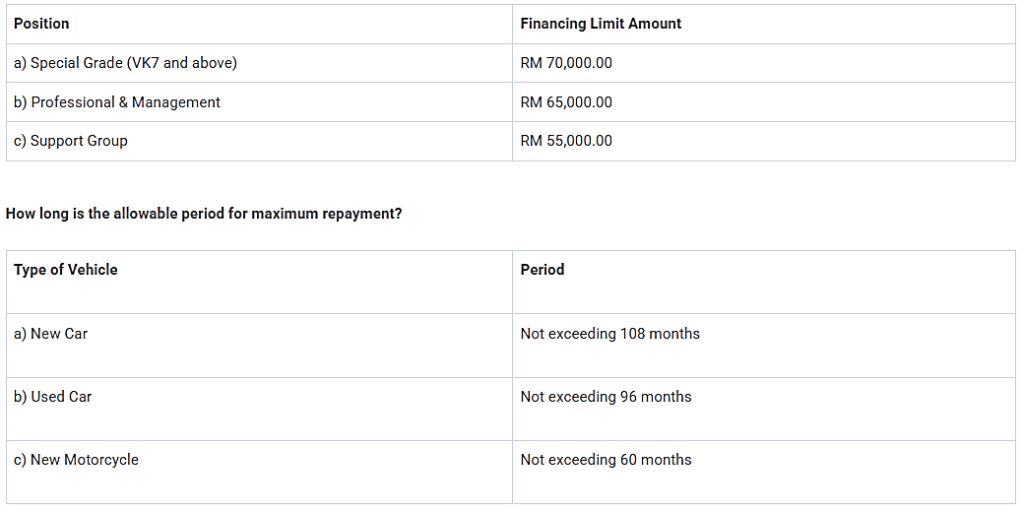
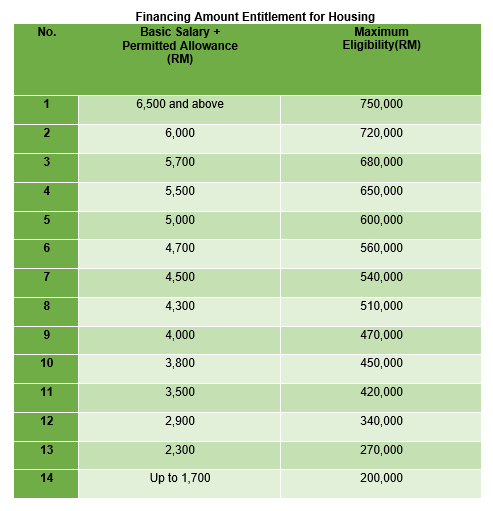
These arrangements soften the financial burden on staff and help foster greater stability in their personal lives ultimately contributing to better performance and staff satisfaction.
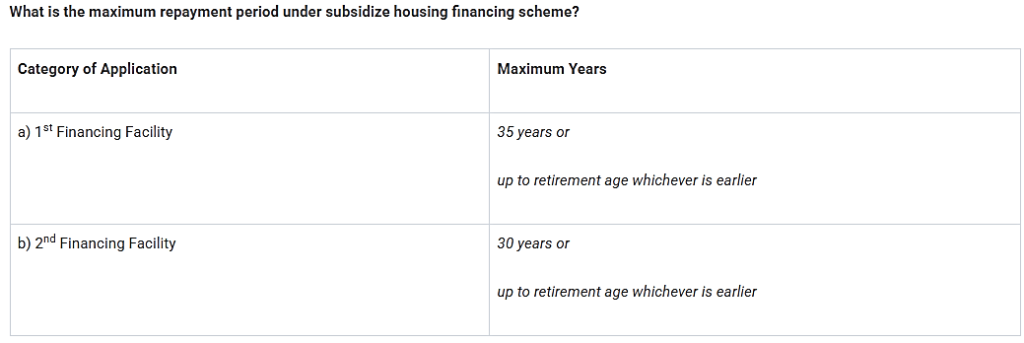
By enabling access to such financing support, IIUM enhances its broader institutional goals of staff welfare, retention and growth. The availability of subsidised financing for computers, vehicles and housing empowers staff to invest in their work-capabilities and living conditions, which in turn supports a more engaged, efficient workforce. Additionally, the presence of these schemes reflects IIUM’s values of mutual care and institutional responsibility. For external partners and prospective employees, the financing programme signals a supportive employment environment rooted in holistic support and ethical practice.
Mahallah (Student Residential)
At International Islamic University Malaysia (IIUM)’s Gombak campus, the student residential colleges known as Mahallah are managed by Residential & Services Division (RSD) with the aim of providing more than just accommodation. The word Mahallah refers to a place where it is supposed to be a self-contained not only with services but also activities. IIUM chooses to name its Mahallah after the leading companions of the Prophet S.A.W and the female Mujahidah and Syuhada. There are 17 Mahallah in Gombak Campus that accommodate about 17,000 students.
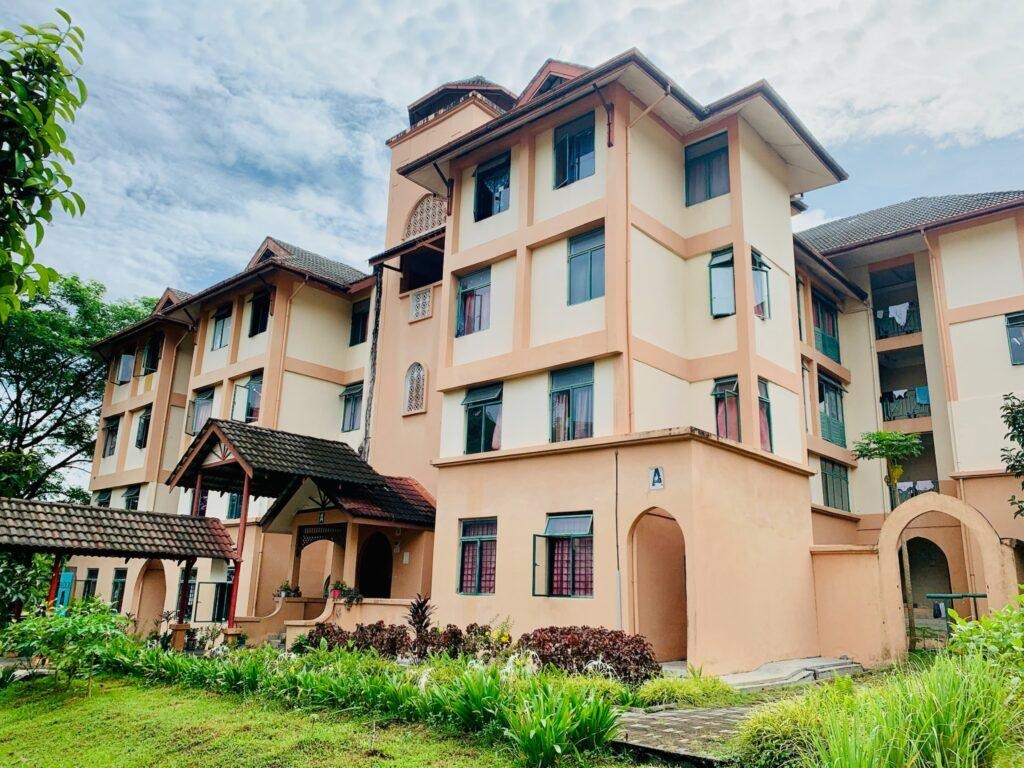
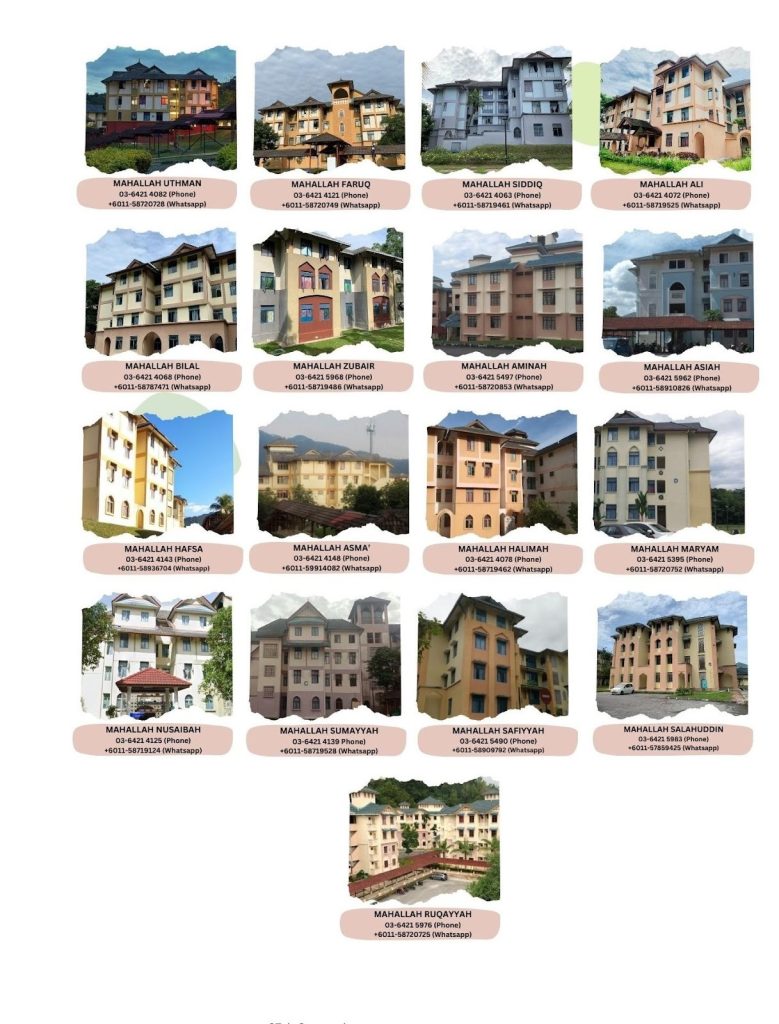
The Mahallah system is designed to support undergraduate and postgraduate students with appropriate residential arrangements. Roughly 80 % of the accommodation is dedicated to full-time undergraduates, while postgraduate placements are offered subject to availability. Inside each Mahallah, students benefit from dedicated management units (Mahallah Management Unit/MMU) that handle administrative support, maintenance, room changes, and welfare matters.
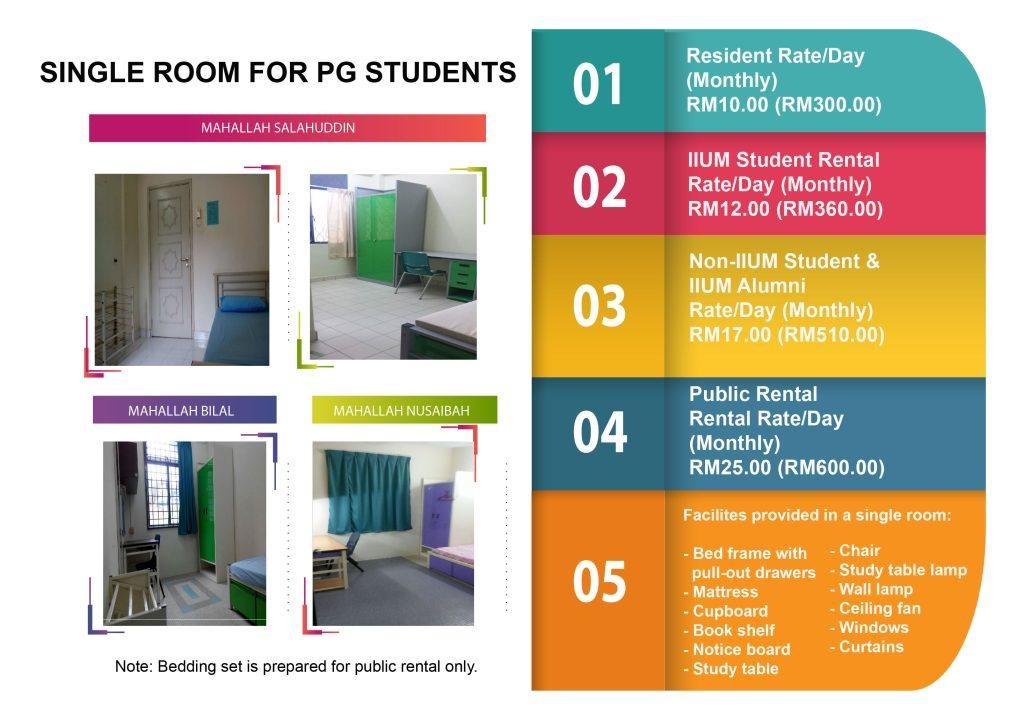
Services include security, WiFi connectivity, common study areas, and on-site support for student welfare programs. The RSD undertakes regular announcements and updates (e.g., registration timeframes, vacation notices) to keep residents informed and engaged.
Living in Mahallah is more than simply having a place to stay; it’s about being part of a community rooted in the university’s ethos of “Garden of Knowledge & Virtue.” The residential environment fosters interaction, peer learning, and a supportive structure that aligns with IIUM’s academic and spiritual values.
The RSD manages room allocation and rental processes transparently, ensuring fairness and accessibility for students. For example, postgraduate students are given clear guidelines on registration, permissible appliances, and fees. By providing safe, comfortable, and well-managed residences, IIUM strengthens student retention, enhances campus engagement and supports holistic development.
Pedestrian-Friendly Campus: Towards a Walkable and Sustainable IIUM Gombak
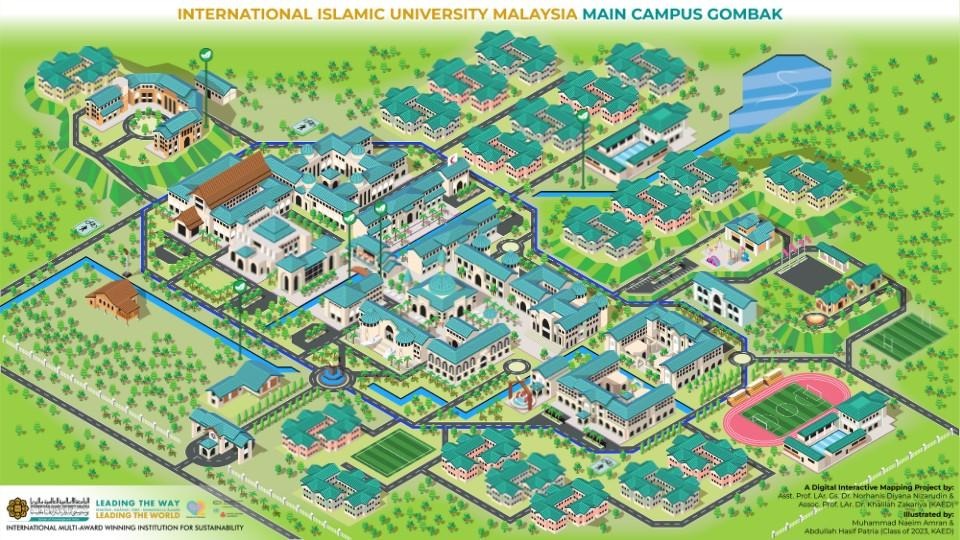
At the IIUM Gombak campus, efforts are underway to reshape the pedestrian experience as part of the broader “Go Green” initiative. Under the initiative, the campus has designated key roads particularly Al‑Jami’ah Road for upgrade, including the development of a dedicated lane for micro-mobility users and pedestrians. This reflects a shift from vehicle-dominated design towards a pedestrian-friendly campus environment.
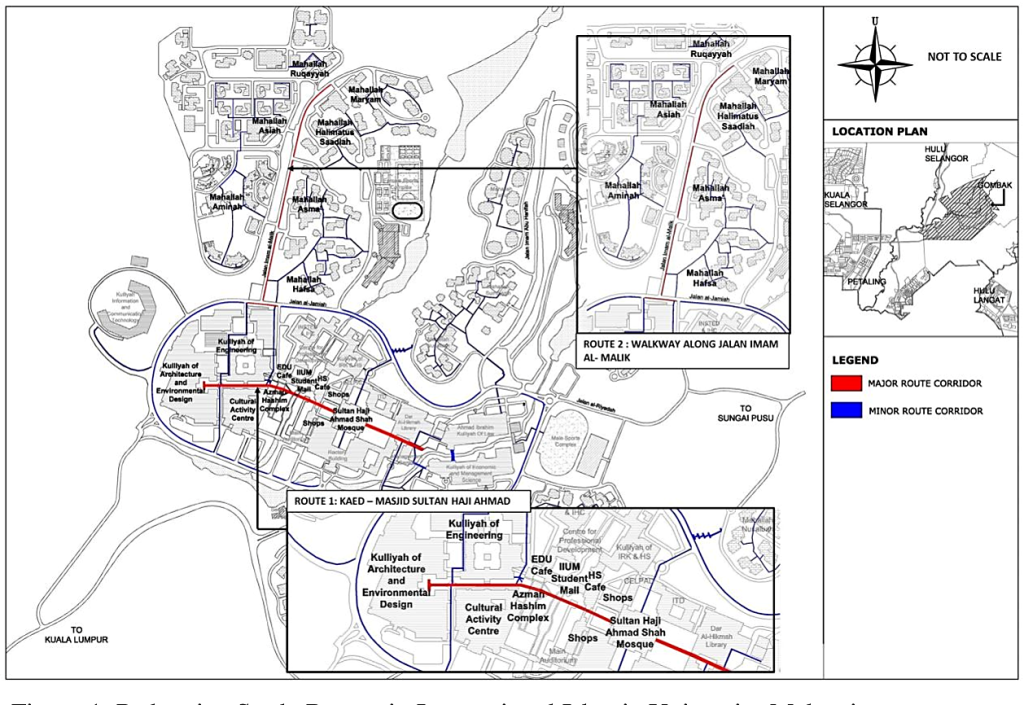
Promoting walking and active mobility within campus not only reduces carbon emissions but also encourages healthy lifestyles and social interaction. With academic blocks, Mahallahs (residential colleges), and key facilities located within walkable distances, the Gombak Campus offers an ideal setting for pedestrian activity. By improving shaded pathways, pedestrian crossings, and safe walking routes, IIUM aims to create a connected network that supports both daily movement and a sense of community across campus.
Studies conducted by IIUM scholars have highlighted that pedestrian comfort, safety, accessibility, and connectivity are key elements influencing walkability within the Gombak campus. Continuous improvement projects are therefore undertaken to address these aspects, ensuring that the walking experience aligns with the university’s values of knowledge, balance, and sustainability.
The pedestrian development initiatives at IIUM contribute directly to the university’s vision of becoming a model of sustainable campus design. Enhancements to pedestrian zones and micro-mobility lanes along Al-Jami’ah Road, coupled with improved signage and shaded walkways, are helping to reduce traffic congestion and promote alternative modes of mobility. These changes represent more than just infrastructure upgrades they symbolise IIUM’s dedication to nurturing an environment where learning, wellness, and sustainability thrive together.
By prioritising pedestrian infrastructure, IIUM Gombak is building not only a more sustainable campus but also a healthier and more inclusive community truly reflecting its philosophy as a Garden of Knowledge and Virtue.
Active Engagement of IIUM Researchers in Local Government and Industry Collaboration
The International Islamic University Malaysia (IIUM), particularly through its Kulliyyah of Architecture and Environmental Design (KAED), has been actively engaged in collaborative initiatives with local governments, public agencies, and industry partners to address pressing urban and regional development challenges. These collaborations reflect the University’s mission to integrate academic knowledge with real-world applications ensuring that planning, design, and policy research directly benefit communities and stakeholders. Through partnerships with local authorities such as Perbadanan Putrajaya, URBANICE Malaysia, and multiple municipal councils, IIUM researchers have contributed to studies in sustainable urban development, accessibility planning, affordable housing, and cultural heritage preservation. Meanwhile, strategic linkages with private developers and professional bodies have expanded opportunities for industry-driven research, knowledge exchange, and community-focused innovation.
| # | Project Title | Partner / Client | Description / Status |
|---|---|---|---|
| 1 | Access Audit & Universal-Design Master-Plan for Perbadanan Putrajaya (PPJ) | PPJ (local authority) | KAED’s Universal Design Unit (KUDU) undertook access audits and master-plan work for Putrajaya (2011-2018) focused on universal accessibility in planning & development. |
| 2 | Traditional Built-Heritage Conservation: Rumah Kutai Beranjung | IIUM / internal KAED | Conservation project of traditional Malay house on IIUM campus, serving as a public teaching-lab and heritage asset (June 2017-Mar 2018). (PAM e-Resources) |
| 3 | Community & Streetscape Revitalisation at KAED Malay Heritage Living Lab | Internal / Community interface | Design-led project to enhance public spaces around the living-lab (outlook platform, bridge railings, entrance arch) to engage community and heritage. (IIUM Journals) |
| 4 | Strategic MoU with Gamuda Land Sdn Bhd – Industry Collaboration | Gamuda Land (industry) | MoU signed (2024) between IIUM/KAED and Gamuda Land for academic-industry interface, research, service exchange in built-environment. (newsroom.iium.edu.my) |
| 5 | Strategic Partnership with URBANICE Malaysia – Sustainable Urban Development | URBANICE Malaysia (agency/industry) | Research & planning collaboration signed June 2024 in the areas of urban planning, community engagement, sustainable urban solutions. (urbanicemalaysia.com.my) |
| 6 | Campus Accessibility Enhancements – Landscape Architecture Department & DSU | IIUM Disability Service Unit (DSU) / internal | Student-led projects under KAED’s Landscape Architecture Dept to improve accessible routes on campus for persons with disabilities (2021-2023+). (kulliyyah.iium.edu.my) |
| 7 | Urban & Regional Planning Consultancy with Local Authority (putative) | Local municipal / planning authority (unspecified) | Research by KAED in URP on “Planning and Development of Selected Neighbouring Cities” that informs local authority policy (task description drawn from known activity) |
| 8 | Public Housing / Community Makerspace Study – Low-cost Public Housing Estate | Public housing agency / community body | KAED engaged with public housing estate in Gombak for makerspace redesign around PPR estate (task description based on known academic exercise) |
| 9 | Landscape Corridor for Rural Tourism Route Planning | Local tourism & rural development agencies | Multi-year KAED-led project designing a landscape corridor linking rural tourism nodes and development planning |
| 10 | Affordable Housing Research & Policy Advice to Local Authority | Local authority housing division | KAED provided research input or advisory services to local authority on strategies for affordable housing and resident access |
The outcomes of these collaborations have generated tangible impacts in policy improvement, community empowerment, and environmental sustainability. Projects such as access audits in Putrajaya have strengthened universal design implementation in city planning, while initiatives like the Ruang Sejahtera Makerspace have fostered social inclusion and local entrepreneurship in low-cost housing communities. Research partnerships with industry players such as Gamuda Land and LSH Capital have resulted in data-driven urban planning studies that inform future city strategies and redevelopment projects. Collectively, these engagements exemplify IIUM’s commitment to sustainable and inclusive development bridging academia, government, and industry to produce solutions that are both locally relevant and globally aligned with the United Nations Sustainable Development Goals (SDGs).
