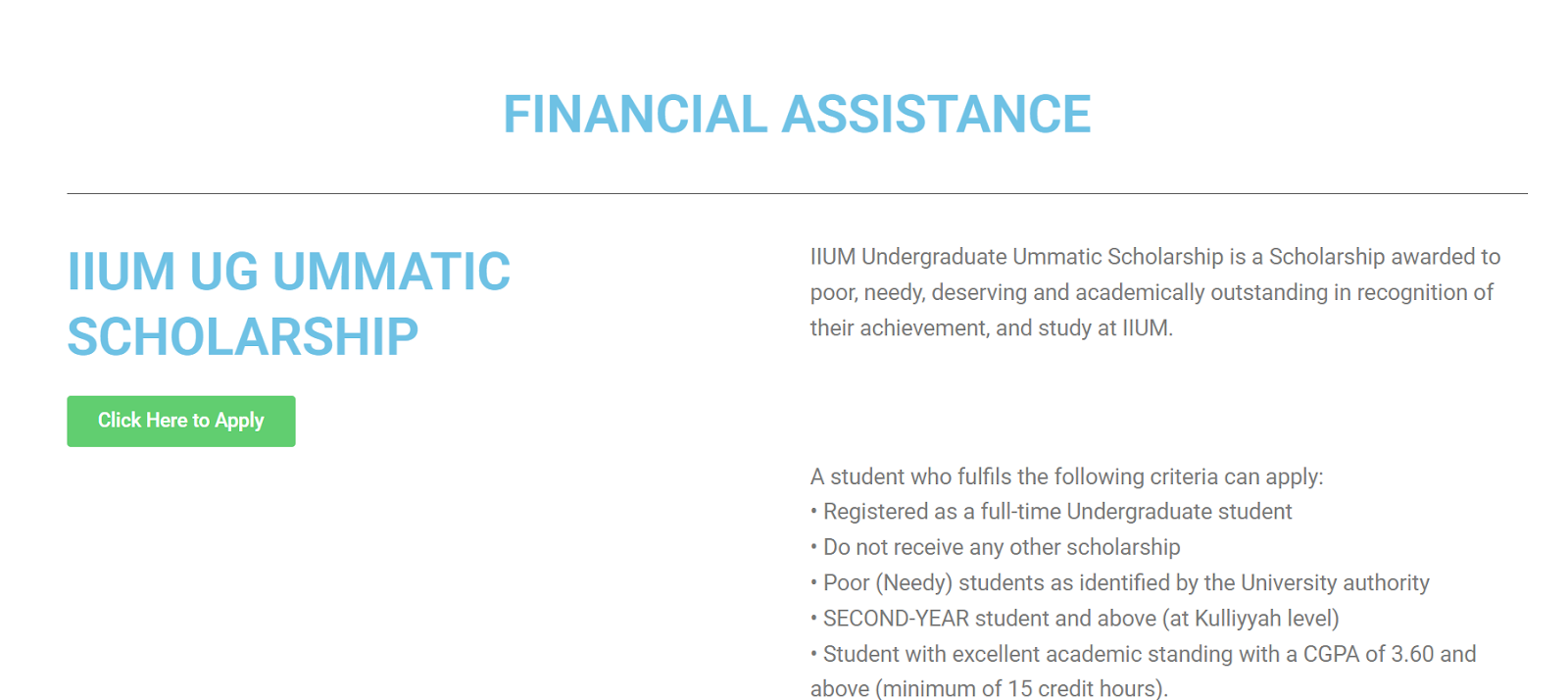
International Islamic University Malaysia (IIUM) remains committed to promoting equitable access to higher education and uplifting socio economically disadvantaged communities. As part of its mission to serve the ummah and uphold the values of justice and compassion, the university places strong emphasis on supporting students from low-income households and ensuring their academic success.
In the latest reporting year, IIUM provided financial aid to 3,774 students from low-income backgrounds, enabling them to pursue quality higher education without financial barriers. This support aligns with the university’s dedication to nurturing talent regardless of socio-economic status and reflects its comprehensive financial assistance ecosystem, including scholarships, grants, zakat assistance, and other welfare programmes.
IIUM also implements targeted anti-poverty initiatives to increase access for underrepresented groups. The university has set a bottom income quintile admission target of 696 students, prioritising applicants from the lowest 20% household income group in Malaysia. Beyond access, IIUM places equal emphasis on student success and progression. To this end, the university aims for 1,375 students from the bottom income quintile to successfully graduate or complete their studies, demonstrating a holistic approach to inclusion that goes beyond enrolment to ensure successful outcomes.
Through sustained financial support and targeted programmes, IIUM continues to strengthen its role as a transformative institution that empowers disadvantaged communities, advances social mobility, and contributes to national efforts to eradicate poverty through education.
International Islamic University Malaysia (IIUM) actively supports students from low-income backgrounds through comprehensive welfare initiatives designed to ensure that financial challenges do not hinder academic success or personal well-being. As part of its commitment to inclusivity, compassion, and community care, the university implements structured food support programmes across its campuses.
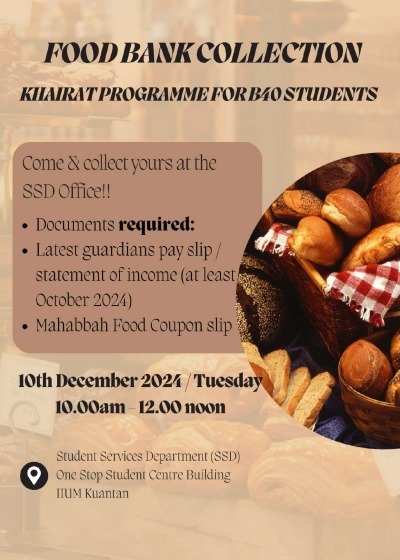
Among the key initiatives is the Food Bank Collection under the Khairat Programme for B40 students, coordinated by the Student Services Department (SSD). This programme provides essential food supplies to students facing financial hardship, helping them manage basic living needs while focusing on their studies. Students are able to collect food assistance at designated university offices by providing simple income verification documents, ensuring that support reaches those who need it most in a dignified and efficient manner.
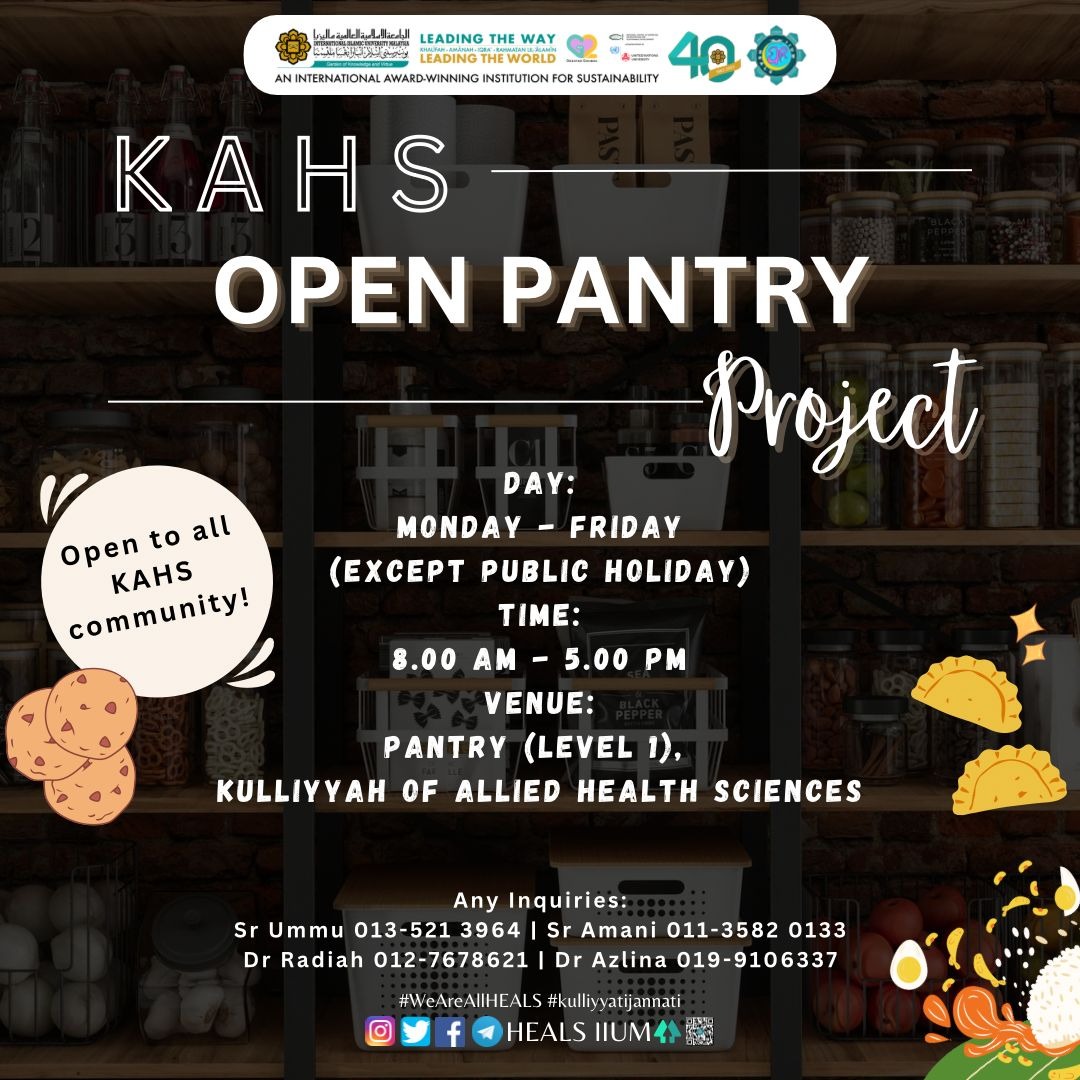
In addition to centralised food assistance schemes, IIUM also promotes community based welfare efforts at the kulliyyah level. The Kulliyyah of Allied Health Sciences (KAHS) Open Pantry Project is an example of grassroots support within the IIUM community. This initiative offers daily access to essential food items for students and staff, reflecting a culture of mutual care and solidarity. Operating on weekdays, the pantry provides an accessible and welcoming resource for those experiencing temporary or ongoing food insecurity.
Through these targeted programmes and a spirit of collective responsibility, IIUM continues to uphold its mission of fostering a caring campus environment, enabling students from diverse socio-economic backgrounds to thrive academically and personally.
The university continuously advances its efforts to improve access to fundamental services through structured programmes aimed at both the student body and broader communities. An illustrative example is the “Jalinan Mahabah” outreach initiative undertaken by AIKOL’s Legal Aid Services. In its first iteration of 2024, the programme was conducted in collaboration with a local community centre and directly engaged residents through legal-aid support and awareness-raising activities.
By organising this kind of service-access programme, IIUM achieves several objectives:
Accordingly, the university leverages initiatives like Jalinan Mahabah to embed service access enhancement into its institutional framework: from planning and outreach, through delivery of service or training, to evaluation of impact on participants’ access and capability. This demonstrates a holistic commitment to ensuring that essential services whether health, legal, transportation, nutrition or welfare, are both available and accessible to all students and community members, particularly those facing socio-economic disadvantage.
Observations and alignment with policy goals
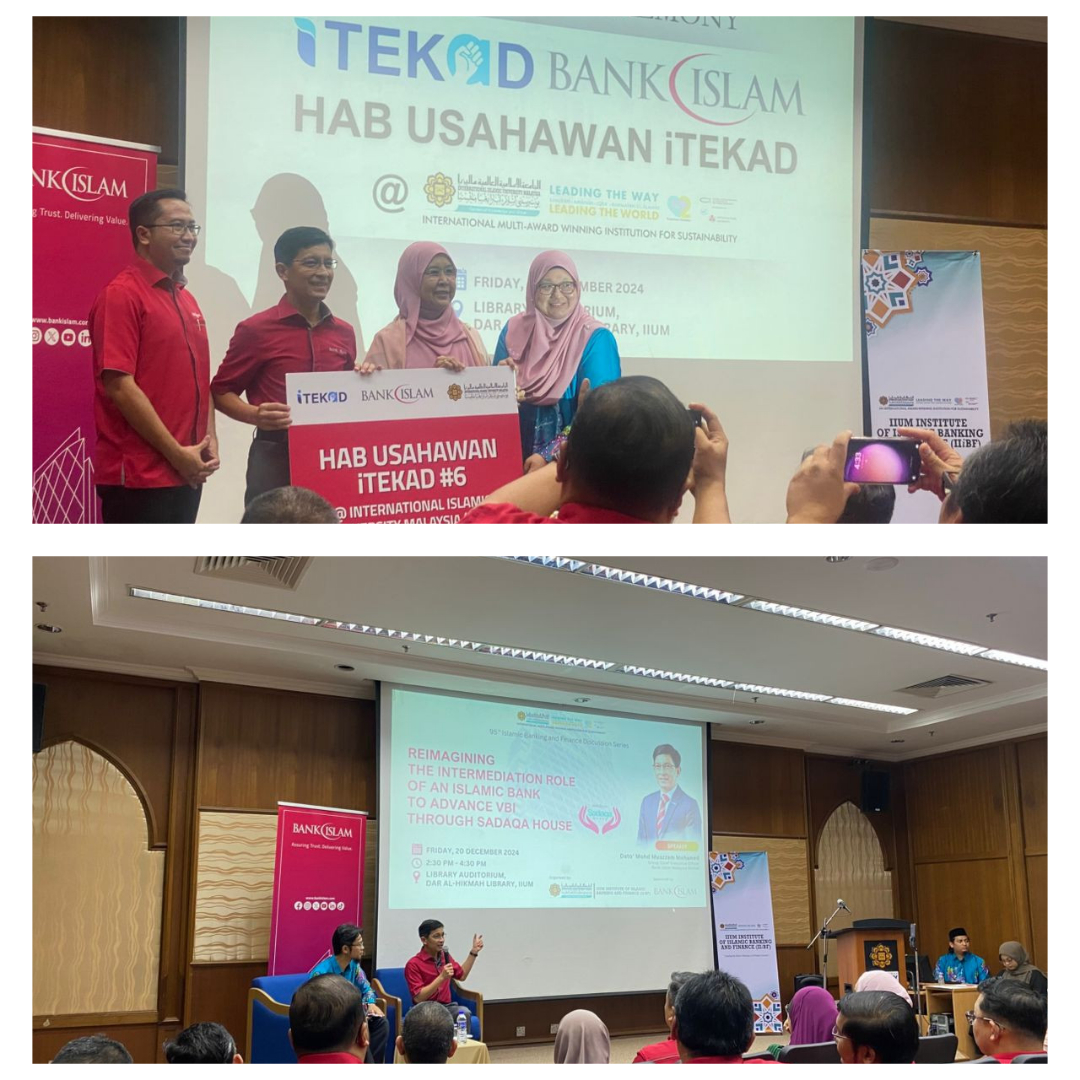
Furthermore, the IUM Institute of Islamic Banking and Finance (IIiBF) with the sponsorship of Bank Islam launched the sixth iTEKAD Entrepreneur Hub at IIUM Gombak in December 2024. The Hub supports financial inclusion through practical entrepreneurship training with structured coaching and mentoring as well as financial assistance. It helps upcoming entrepreneurs learn business strategy, digital marketing, and the essentials of starting and running a venture. Bank Islam’s CEO outlined a clear focus on impact with attention to empowering women and local entrepreneurs to support upward mobility. This highlighted iTEKAD as a Shariah compliant social finance programme that blends Islamic banking with zakat and waqf to build resilient livelihoods.
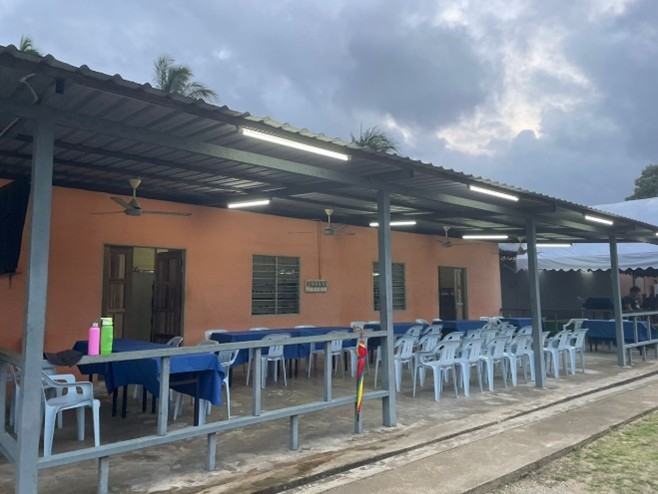
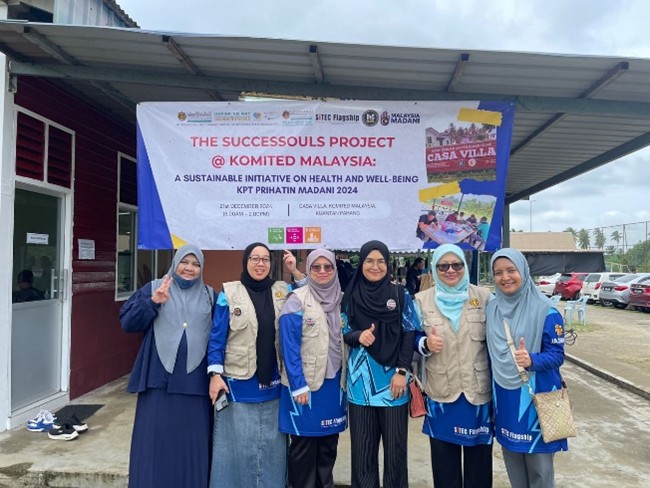
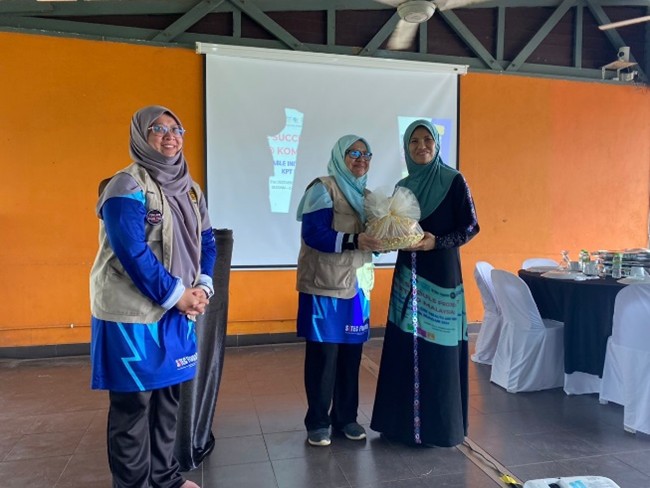
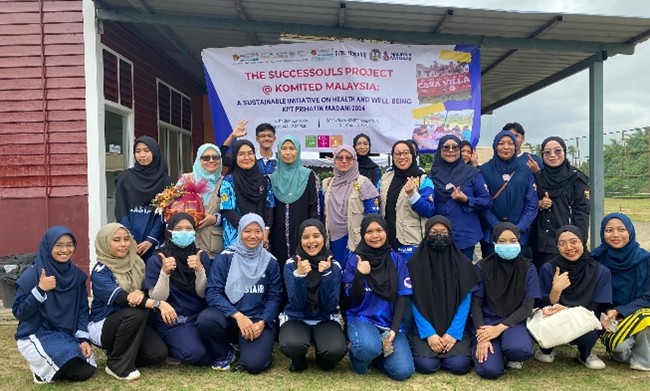
The Successouls Project @KOMITED Malaysia focuses on improving health and well-being within the KOMITED Malaysia community by addressing both physical and mental health needs. KOMITED Malaysia is one of the non-governmental, non-profit and community-based organisation that shelters illicit drug users who would like to change their habit and have a more meaningful and quality living. This initiative aligns with Sustainable Development Goal (SDG) 3: Good Health and Well-Being.
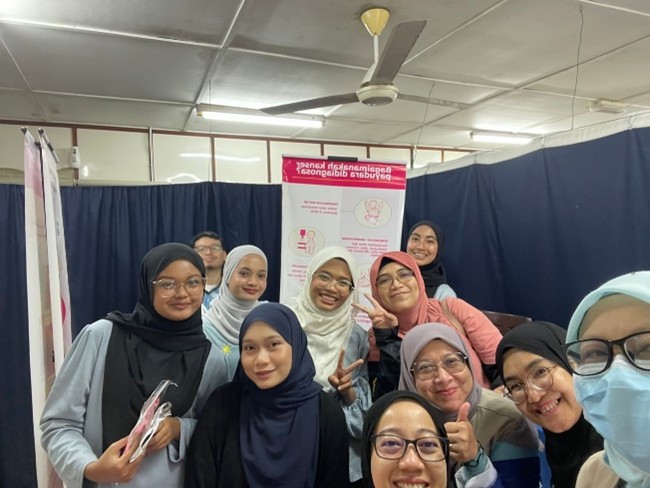
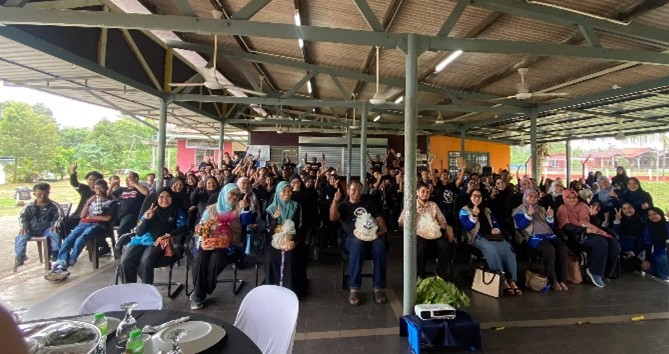
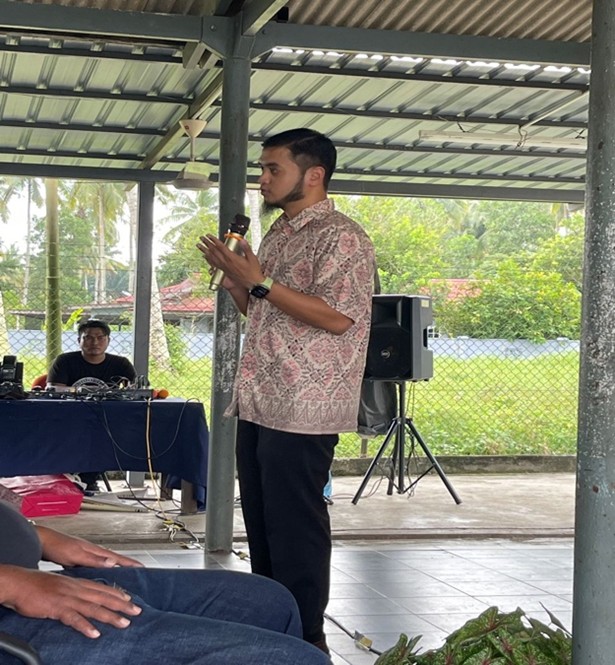
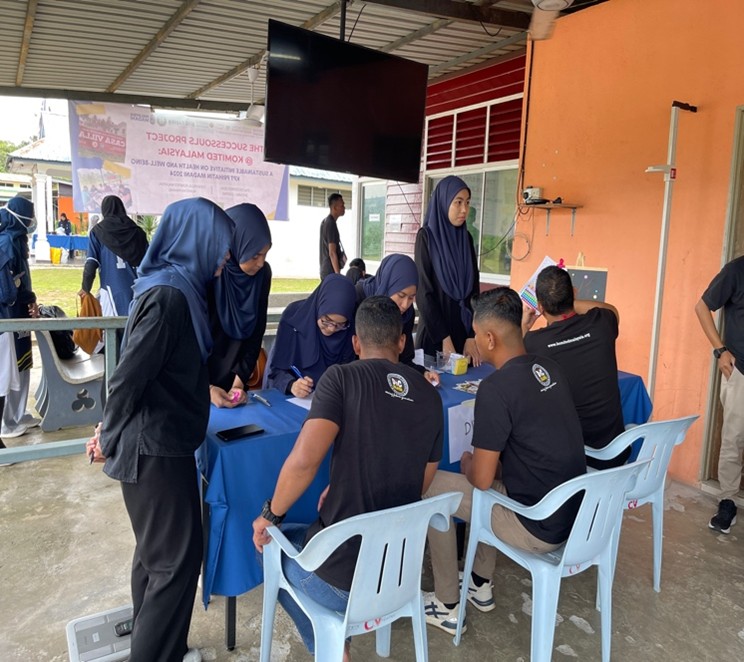
Organised by SiTEC Flagship, Kulliyyah of Pharmacy, Pertubuhan Komuniti Intervensi Dadah (KOMITED) Malaysia, and the Sultan Ahmad Shah Medical Centre, the project is fully funded by KPT Prihatin Madani grant. It features several impactful activities designed to promote health education and screening. The main objective of the project is to identify concerning health issues among the residents, staff and volunteers of KOMITED Malaysia for further intervention.
Project Detail
Date : 21st December 2024
Time : 8.00 AM – 2.00 PM
Venue : Casa Villa, Komited Malaysia, Kuantan Pahang
Collaborators:
Attendees:
| Role | Descriptions |
| Participants | 113 residents and clients of KOMITED Malaysia |
| Organising committees | Assoc. Prof. Dr. Nor Ilyani binti Mohamed Nazar (Programme Manager), Madam Che Rokiah binti Ismail (SASMEC), Assoc. Prof. Dr. Norny Syafinaz Ab Rahman, Asst. Prof. Dr. Nor Elina Alias, Sr. Nur Adibah Abdul Razak, Br. Hasrul Afizan Mohd Din, Asst. Prof. Dr. Nor Hidayah Taufek, Assoc. Prof. Dr. Nurjasmine Aida binti Jamani (KOM), Asst. Prof. Dr. Zalikha binti Ibrahim, Madam Nurul Hidayah binti Abdullah, Asst. Prof. Dr. Ahmed Osman |
| Staff of KOMITED Malaysia | |
| Students from Usrah in Action 1 Section 822 |
Activities: